
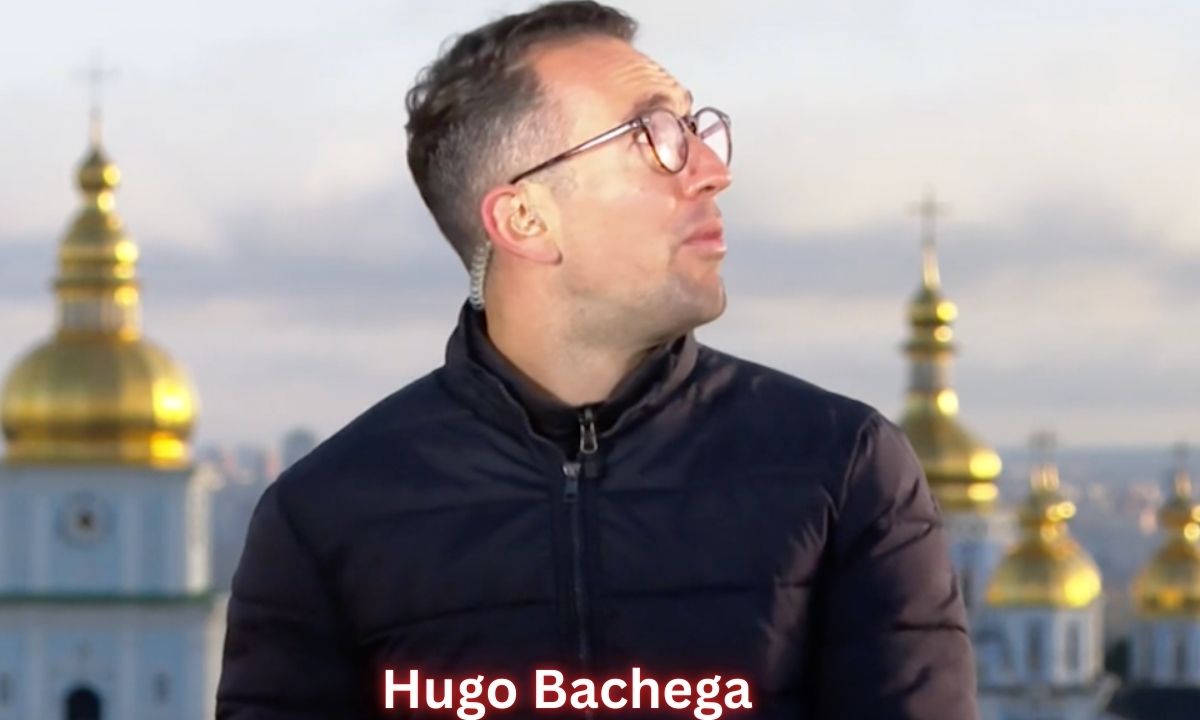

When you tune into BBC News and hear Hugo Bachega speak, something instantly stands out. His voice carries a warmth and precision that feels both familiar and foreign at once. It’s the kind of accent that makes you pause and think where is this voice actually from? That question alone has sparked thousands of conversations online.
That curiosity is exactly what has drawn millions of viewers into his world. Hugo Bachega is not just a face on the screen, he’s a storyteller whose voice reflects decades of cultural travel, linguistic fluency, and genuine human connection. His accent is more than a quirk; it’s a living reflection of his identity, his journey, and his craft in global journalism.
Who Is Hugo Bachega?

Hugo Bachega is a highly respected BBC correspondent who has built his name covering some of the world’s most intense and emotionally charged moments. From conflict zones to political upheavals and humanitarian crises, he brings calm authority to chaos. His journalism career spans multiple continents and decades of dedicated reporting.
His work in international news is defined by balance, depth, and cultural sensitivity. Whether he’s reporting live from a war-torn street or analysing a political shift in South America, Bachega approaches every story with empathy and professionalism. He represents a new generation of correspondents who combine sharp instincts with a truly global perspective.
| Quick Facts | Details |
| Network | BBC News |
| Role | Foreign Correspondent |
| Native Language | Brazilian Portuguese |
| Accent Type | Neutral Global English |
| Key Reporting Areas | Ukraine, Middle East, South America |
- He is one of the most recognised faces in international news reporting today
- Known for his composed delivery even during breaking news coverage
- Brings cultural awareness to every story he covers
- Respected across both British and international audiences
Read Also This: Jann Mardenborough Net Worth 2026: Racing Star Wealth Breakdown
A Multicultural Background: Roots of His Accent

Hugo Bachega was born in Brazil, where Brazilian Portuguese was his first language. Growing up immersed in the rhythms of Latin culture laid the early foundation for the unique vocal quality he carries today. That Brazilian warmth never fully left his voice, even after years in English-speaking environments.
His professional journey eventually brought him to the BBC in the United Kingdom, where he adapted to a more formal English language setting. Living and working across South America, Europe, and the Middle East exposed him to a wide range of sounds, tones, and speech patterns. That rich exposure is precisely what shaped his multicultural background and the layered accent audiences notice so easily today.
| Background Element | Influence on Accent |
| Born in Brazil | Brazilian rhythm and vowel sounds |
| Moved to the UK | British pronunciation patterns |
| Worked across Middle East | Exposure to multilingual environments |
| International upbringing | Neutral, globally accessible English |
- His international upbringing gave him natural exposure to multiple languages
- Brazilian Portuguese subtly shapes his vowel sounds and speech rhythm
- Years in the UK added polish and British Received Pronunciation (RP) elements
- His multicultural background is the single biggest reason his accent stands out
The Blend of Tones in Hugo Bachega Accent
What makes Hugo Bachega‘s accent so fascinating is that it doesn’t belong to any single place. It is a carefully blended mix of British Received Pronunciation (RP), Brazilian Portuguese undertones, and neutral global English. The result is a sound that feels both polished and personal at the same time.
The rhythmic flow of Brazilian Portuguese gives his speech a gentle musicality, while his BBC training adds precision and control. For audiences tuning in from across the world, his neutral global English makes him easy to understand regardless of their own linguistic background. It’s a rare combination that works naturally because it was never forced — it simply grew from lived experience.
| Accent Element | Source | Effect on Listeners |
| British Received Pronunciation (RP) | BBC training, UK life | Sounds authoritative and polished |
| Brazilian Portuguese undertones | Native language roots | Adds warmth and gentle rhythm |
| Neutral Global English | International career | Easy to understand worldwide |
- British Received Pronunciation (RP) adds credibility and clarity to his delivery
- Brazilian Portuguese roots give his tone a distinctive warmth
- His neutral global English makes him accessible to international audiences
- The blend creates a rhythmic flow that viewers consistently describe as soothing
Career Journey: From Brazil to the BBC
Hugo Bachega began his journalism career in Brazil, reporting on political affairs and social issues for local media. His early work showed a sharp instinct for complex storytelling, and it wasn’t long before international broadcasters took notice of his talent and precision in the field.
He eventually joined BBC News, where his career truly expanded onto the global stage. He delivered powerful on-ground reports during the Russian invasion of Ukraine, covered long-running tensions across the Middle East, and brought deep cultural understanding to his coverage of South American politics. Each assignment added a new layer to both his professional identity and his evolving accent.
- He began his journalism career reporting on South American politics in Brazil
- His talent was recognised by international broadcasters early in his career
- Covered the Russian invasion of Ukraine with remarkable composure
- Reports from the Middle East demonstrated his cultural awareness
- His BBC career reflects consistent growth across global journalism
Why Viewers Notice Hugo Bachega Accent
Viewers notice Hugo Bachega‘s accent because it simply doesn’t fit any familiar box. It’s not purely British, not obviously Latin American, and not generically American. It sits in a space all its own warm, clear, and strangely comforting which makes it impossible to ignore during news reporting.
In today’s world of global journalism, that quality is genuinely rare. BBC News reaches audiences in over 200 countries, and having a correspondent whose on-air delivery feels universally accessible is a major asset. Viewers aren’t just noticing his accent out of curiosity, they’re responding to how naturally it builds trust and holds attention during even the most intense breaking news moments.
- His accent doesn’t match any single regional sound that’s what makes it memorable
- On-air delivery that feels calm even during major breaking news events
- Audiences across cultures find his voice easy to follow and trust
- His speech style reflects the evolution of accent inclusivity in modern broadcasting
- Viewers on Twitter and YouTube frequently comment on his distinctive tone
Key Traits That Define His Accent
The most defining feature of Hugo Bachega‘s speaking style is his neutral pronunciation. He avoids heavy regional influences on either end, keeping his English language delivery clean and widely understood. This is a deliberate quality that serves his role in international news coverage extremely well.
Beyond neutrality, his controlled tone and rhythmic flow set him apart. Even in the middle of reporting from active conflict zones, his voice remains steady and measured. That composure is part of what makes audiences trust his reporting. His cultural adaptability shines through every sentence he speaks, reflecting a communicator who has learned to meet his audience wherever they are.
| Key Trait | Description |
| Neutral Pronunciation | Clear, regionally balanced English delivery |
| Controlled Tone | Calm and measured even in crisis reporting |
| Rhythmic Flow | Gentle Brazilian-influenced speech melody |
| Cultural Adaptability | Adjusts naturally to diverse audience needs |
- Neutral pronunciation keeps his reporting accessible to global audiences
- Controlled tone builds listener confidence during stressful breaking news
- Rhythmic flow makes his speech pleasant and easy to absorb
- Cultural adaptability is at the core of his communication strength
Accents in International Journalism: A Broader Context
For most of its history, the classic BBC sound meant British Received Pronunciation (RP) , a formal, upper-class British accent that became the global standard for broadcast journalism. But as global media organizations expanded their reach, that single standard began to feel limiting and exclusionary for diverse audiences around the world.
Today, accent inclusivity is a conscious priority for networks like BBC News. Journalists from different linguistic backgrounds are now celebrated rather than standardised. Hugo Bachega is a perfect symbol of this shift; his voice represents the natural result of journalism evolution, where Latin American accents, Brazilian Portuguese roots, and neutral global English all have an equal place in the conversation.
- The old BBC standard of British Received Pronunciation (RP) is no longer the only accepted voice
- Global media organizations now actively embrace accent inclusivity
- Journalists with Latin American accents are gaining prominent roles in international news
- Journalism evolution has opened the door for multicultural voices like Bachega’s
- His presence on BBC News signals a broader, more representative future for broadcasting
Audience Reactions and Social Media Buzz
The social media buzz around Hugo Bachega‘s accent is real and remarkably consistent. On Twitter, viewers regularly share clips of his reporting accompanied by comments like “his voice is so calming” or “I can’t quite place his accent but I love it.” On YouTube, his segments often attract comment threads dedicated entirely to discussing his distinctive delivery.
These audience reactions are telling. In an era of endless digital content, viewers are choosing to engage not just with the news itself but with the way it’s delivered. Hugo Bachega‘s accent creates an emotional connection that pure information never could. It makes BBC News coverage feel human, accessible, and genuinely trustworthy to millions of people around the world.
- Twitter users frequently describe his voice as “soothing” and “impossible to place”
- YouTube comment sections often turn into dedicated discussions about his accent
- Audience reactions highlight how much tone matters in news reporting
- His delivery style creates emotional trust that goes beyond just sharing information
- Social media buzz around his voice continues to grow with each major report
Hugo Bachega’s Communication Skills Beyond His Accent
While his accent gets most of the attention, Hugo Bachega‘s true strength lies in his broader communication skills. His storytelling ability transforms raw facts into human narratives that viewers can genuinely feel and connect with. He doesn’t just report events — he gives them meaning, context, and emotional weight.
His empathy is visible in every report he delivers, especially when covering humanitarian crises or speaking with people affected by conflict zones. He listens actively, frames stories with fairness, and never loses his composure even under extreme pressure. These qualities combine with his distinctive voice to create a journalist who doesn’t just inform — he genuinely communicates.
- His storytelling turns complex global events into relatable human stories
- Deep empathy shapes how he approaches victims of humanitarian crises
- Maintains composure and accuracy when reporting from active conflict zones
- Communication skills go far beyond his accent they reflect his character
- His work in the Middle East and Ukraine showcases the full range of his abilities
Read Also This: Jack Harlow Age, Net Worth, and Career Highlights
Lessons from Hugo Bachega Accent and Career
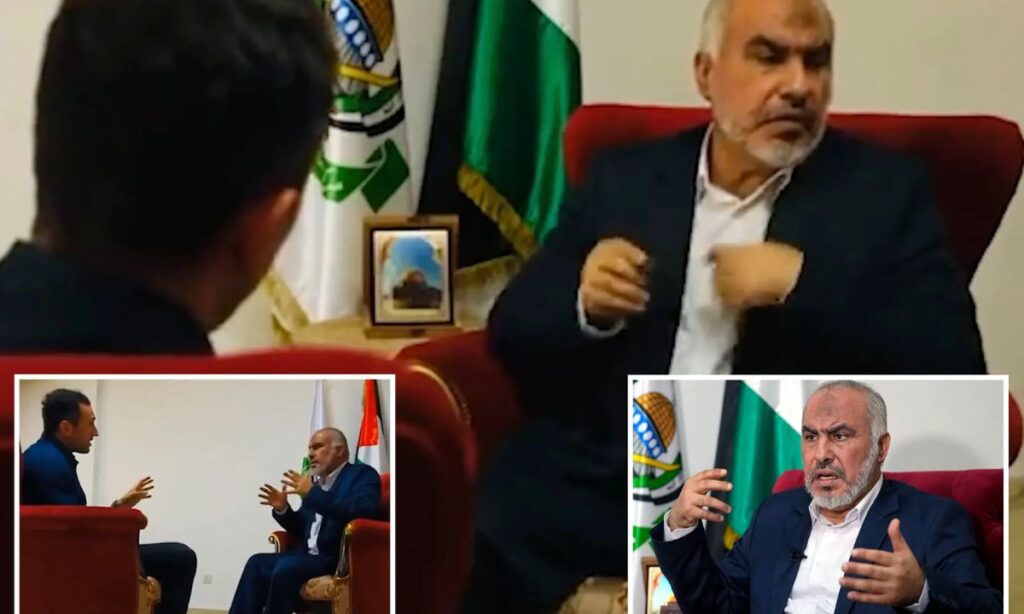
The story of Hugo Bachega‘s accent and career offers real, practical lessons for anyone working in journalism, public speaking, or international communication. The most important lesson is that clarity matters far more than perfection. His voice works not because it copies a standard it works because it communicates honestly and effectively across cultures.
Cultural adaptability is the second great lesson from his journey. By embracing his Brazilian Portuguese roots while developing neutral global English skills, Bachega created a communication style that belongs to no single country but resonates with all of them. For aspiring journalists and public speakers, that is perhaps the most powerful takeaway his career has to offer.
| Lesson | What It Means |
| Clarity Over Perfection | Being understood matters more than sounding “correct” |
| Embrace Your Background | Your roots are an asset, not a barrier |
| Cultural Adaptability | Understanding your audience improves every message |
| Empathy in Communication | Emotional connection makes information more powerful |
- Clarity in English language delivery always outweighs chasing a “perfect” accent
- Cultural adaptability is a genuine professional skill that can be developed over time
- Your multicultural background is an advantage, especially in global journalism
- Empathy and storytelling are just as important as technical language skills
- Hugo Bachega proves that authentic communication builds audiences and trust
Frequently Asked Questions
Who is Hugo Bachega?
Hugo Bachega is a talented football striker known for scoring decisive goals. He plays professionally in Portugal and continues to rise in his career.
What teams does Hugo Bachega play for?
Currently, Hugo Bachega represents Portimonense SC in Portugal. He has impressed fans with consistent performances and strong attacking skills across leagues.
How old is Hugo Bachega?
Born in 1997, Hugo Bachega is 28 years old. He started his youth career early and quickly made a name for himself in professional football.
Where is Hugo Bachega from?
Hugo Bachega hails from Portugal. His hometown roots shaped his football journey, and he progressed through local clubs before reaching professional stages.
What position does Hugo Bachega play?
Primarily, Hugo Bachega plays as a forward. He is known for agility, sharp finishing, and creating scoring opportunities for his team consistently.
How many goals has Hugo Bachega scored?
So far, Hugo Bachega has scored multiple league goals, contributing significantly to his club. His goal record continues to grow season after season.
What is Hugo Bachega’s market value?
The current market value of Hugo Bachega reflects his rising talent. Clubs recognize his potential, making him a sought-after player in professional football circuits.
Final Thought
Hugo Bachega is far more than a correspondent with an interesting accent; he is a living example of what modern global journalism looks and sounds like at its very best. His voice carries the weight of Brazilian Portuguese heritage, the discipline of BBC News training, and the wisdom of years spent reporting across the world’s most challenging places.
As BBC News continues to reflect the diversity of its global audience, journalists like Hugo Bachega will only become more important. His accent, his storytelling, his empathy, and his cultural adaptability all point to the same truth: the best journalism doesn’t just inform it. And that connection starts the moment he opens his mouth to speak.

CharmingsNames.com created by Jack Leo, is your ultimate destination for unique, stylish, and meaningful names. Discover charming name ideas for babies, brands, businesses, and more all carefully curated to inspire creativity and identity. Find the perfect name that truly stands out!
