
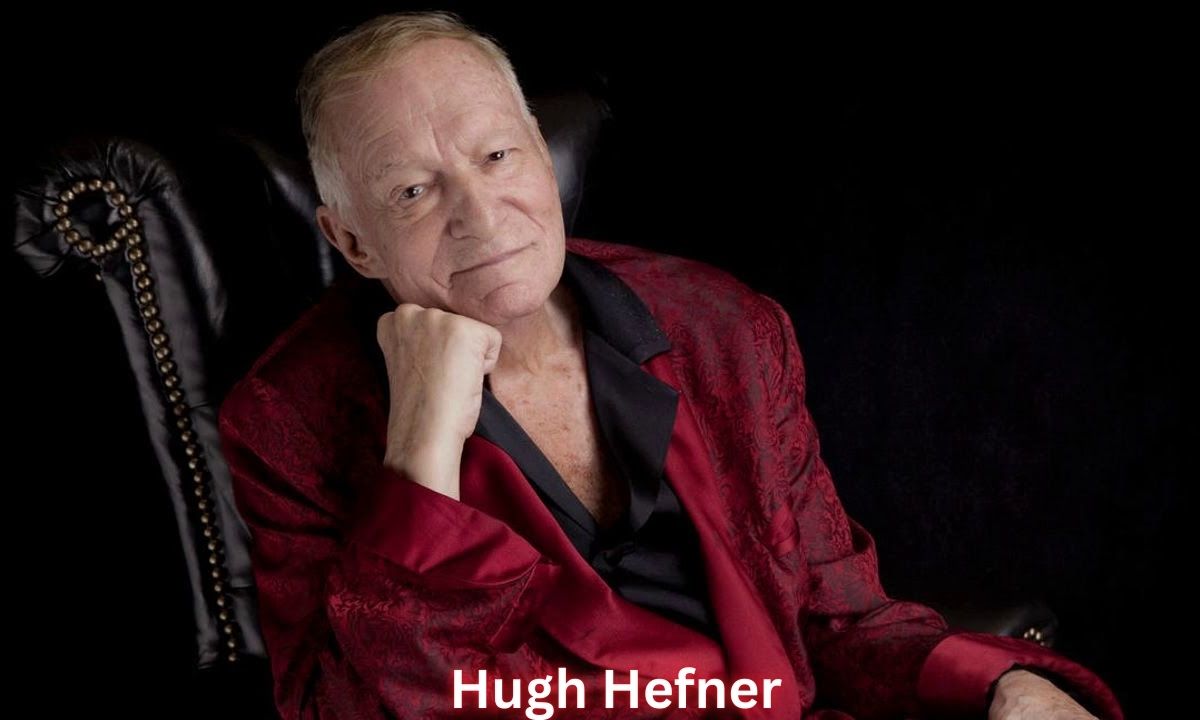

Hugh Hefner revolutionized American media by founding Playboy, transforming a simple magazine into a global media empire that defined 1960s culture. The visionary publisher built an entertainment brand spanning print publishing, television, film, and merchandise, becoming one of the most recognizable figures worldwide. His journey from bootstrapping a startup to hosting legendary celebrity parties represents an extraordinary American success story.
Though Hugh Hefner passed away in 2017 at age 91, his legacy continues influencing conversations about free expression and the cultural revolution. From borrowing money to launch Playboy to owning the iconic Playboy Mansion in Los Angeles, his life embodied both tremendous achievement and surprising financial realities. Understanding his actual net worth reveals how industry disruption and shifting consumer media habits affected even the most influential brands.
Hugh Hefner Net Worth (At Time of Death)

When Hugh Hefner died in September 2017, his net worth was estimated between $50 million and $60 million according to financial disclosures and estate filings. This figure surprised many expecting billionaire status from such an influential media mogul. Analysts confirmed this range accurately reflected his wealth after decades of ownership changes and dramatic market shifts affecting print publishing industries.
The valuation came from comprehensive assessments of his estate, including remaining assets, licensing deals, and corporate structures. While modest compared to today’s tech billionaires, this amount represented substantial wealth accumulated through magazine sales, merchandise, and brand expansion. The probate procedures following his death revealed the complete scope of his financial position at life’s end in 2017.
| Financial Metric | Amount/Details |
| Estimated Net Worth (2017) | $50-60 Million |
| Age at Death | 91 Years |
| Years Since Death (2026) | 9 Years |
| Peak Era Wealth Estimates | $200-400 Million |
Key Financial Facts:
- Net worth confirmed through official estate filings and legal documents
- Wealth accumulated over 60+ years building the Playboy brand empire
- Financial disclosures showed significant decline from peak earnings era
- Estate distribution followed standard probate procedures under California law
- Never achieved billionaire status despite massive cultural influence
His fortune reflected decades of strategic investment choices and brand visibility priorities. The Playboy founder emphasized lifestyle and cultural impact over maximizing personal wealth accumulation. This approach created an unforgettable legacy but limited his final net worth compared to purely profit-focused entrepreneurs in similar industries.
Read Also This: Freya Allan Bio, Wiki, Age, Height, Boyfriend, Net Worth, Facts
How He Built His Wealth
Hugh Hefner started Playboy in 1953 with just $1,000 and money borrowed from his mother, launching what would become a revolutionary media empire. The debut issue featuring Marilyn Monroe sold out immediately, proving his vision could transform modest investment into cultural phenomenon. This bootstrap success story demonstrated how timing and innovation could reshape entire industries.
The early magazine sales exploded throughout the 1960s as readers embraced sophisticated journalism mixed with lifestyle content. Playboy Clubs opened across major cities worldwide, generating massive revenue streams beyond traditional print publishing. Strategic licensing deals expanded into fashion, merchandise, film, and television, creating multiple income sources that diversified his growing fortune significantly.
Growth Strategies That Built His Fortune:
- Launched during perfect cultural moment of post-war American prosperity
- Featured Marilyn Monroe in first issue, creating instant credibility
- Opened Playboy Clubs in Los Angeles, New York, Chicago internationally
- Expanded licensing deals into fragrance deals, gaming, entertainment
- Diversified into television and film production throughout 1970s
- Capitalized on 1960s culture shift toward free expression
The Playboy brand transcended being just a magazine. It represented a lifestyle resonating with millions seeking sophistication and entertainment. Hugh Hefner understood brand visibility mattered as much as profit margins. His strategic investment choices prioritized cultural impact, establishing Playboy as a globally recognized household name.
By the 1970s, his media empire generated hundreds of millions annually through diverse channels. Magazine sales reached over 7 million copies monthly at their absolute peak. The exclusive Playboy Clubs attracted celebrities and business leaders, cementing the brand’s prestigious reputation. This smart diversification created wealth positioning Hefner among America’s richest publishers.
The corporate structures supporting this empire employed thousands across multiple continents. Licensing deals allowed international expansion without massive capital investment. Merchandise ranging from clothing to accessories extended brand reach. Fragrance deals and gaming partnerships added revenue streams that continued generating income for decades.
Peak Wealth and Lifestyle
During Playboy’s golden era in the late 1960s and 1970s, Hugh Hefner’s wealth reportedly reached hundreds of millions of dollars annually. The brand transcended print publishing, becoming a complete entertainment experience. Playboy Clubs operated in multiple countries, television shows reached millions, and film productions expanded the empire’s reach into Hollywood.
His lifestyle became legendary, with the Playboy Mansion in Los Angeles serving as headquarters for extravagant celebrity parties that defined an era. Fragrance deals, international licensing deals, and diverse merchandise lines generated continuous revenue streams. The corporate structures supporting this empire employed thousands and profoundly influenced 1960s culture and the ongoing cultural revolution.
Peak Wealth Indicators:
- Estimated net worth in hundreds of millions during commercial zenith
- Owned luxury properties including famous Playboy Mansion estate
- Operated over 30 Playboy Clubs generating substantial annual revenues
- Television and film divisions producing content across platforms
- Licensing deals spanning fashion, merchandise, gaming, fragrance deals
The Playboy brand dominated popular culture throughout this era. Hugh Hefner’s personal brand visibility made him as famous as the magazine itself. He appeared on talk shows, hosted celebrity parties attracting Hollywood’s elite, and became synonymous with the cultural revolution redefining American values.
Consumer media habits of the era favored print publishing, making magazines incredibly profitable. Unlike today’s digital media landscape, physical publications commanded premium advertising rates. This created ideal conditions for magazine sales to translate into enormous wealth for successful publishers like Hefner.
His investment choices during this period included real estate, entertainment ventures, and lifestyle expenditures. The Playboy Mansion itself represented both personal residence and business assets. Hosting celebrity parties there wasn’t just entertainment—it was strategic brand visibility that kept Playboy relevant in competitive markets.
The Playboy Mansion and Assets
The Playboy Mansion in Los Angeles became inseparable from Hugh Hefner’s public image and brand identity. This sprawling estate hosted decades of legendary celebrity parties, business meetings, and media events. The property functioned as both private residence and corporate asset, blurring lines between personal lifestyle and business operations perfectly.
Hefner owned the mansion for many years, but ownership changes occurred as business priorities shifted in his later life. In 2016, the property sold for $100 million to billionaire Daren Metropoulos, though Hefner continued residing there until his death. This sale significantly impacted his estate valuation while providing substantial liquidity during his final years.
| Mansion Details | Specifications |
| Location | Holmby Hills, Los Angeles |
| Purchase Year | 1971 |
| Sale Year | 2016 |
| Sale Price | $100 Million |
| Original Purchase Price | $1.1 Million |
Key Mansion Facts:
- 20,000+ square foot estate with 29 rooms total
- Famous grotto, zoo, and screening room facilities
- Hosted countless celebrity parties attended by Hollywood elite
- Sale agreement allowed Hefner lifetime residency rights
- Property value appreciation exceeded 9,000% over ownership period
Beyond the mansion, Hugh Hefner’s estate included various assets accumulated throughout his career. Licensing deals continued generating passive income streams. Merchandise royalties from fashion lines and fragrance deals provided ongoing revenue. The corporate structures surrounding Playboy meant some assets belonged to the company rather than personally.
His investment choices reflected someone who prioritized experience over pure asset accumulation. The Playboy Mansion wasn’t just real estate it was a tool for brand visibility and networking. Celebrity parties held there generated media attention worth millions in publicity. This strategic thinking showed how Hefner viewed assets through an entrepreneurial lens.
The estate also included intellectual property rights, personal collections, and various business interests. Financial disclosures revealed complex holdings spanning decades. Estate filings showed how carefully structured corporate structures protected different asset classes. The probate procedures required sorting through numerous legal entities and agreements.
Read Also This: Whitney Wren Net Worth: Age, Height, Career, Relation, Family, Bio and More
What Happened to Playboy (and Hefner’s Wealth)

Industry disruption dramatically affected Playboy and Hugh Hefner’s fortune over his final decades. The rise of digital media fundamentally changed consumer media habits, causing traditional magazine sales to plummet. What once generated hundreds of millions annually struggled to maintain profitability as free online content became ubiquitous.
The company shifted from owning media assets to focusing primarily on licensing deals, creating steady income but reducing profit margins. Strategic ownership changes in the 2010s restructured how assets and profits were reported. These transformations meant Hefner’s net worth didn’t grow like modern tech billionaires, despite maintaining substantial wealth.
Major Business Challenges:
- Digital media completely transformed how consumers accessed content
- Traditional magazine sales dropped sharply from 7 million to under 1 million
- Print publishing industry faced existential crisis across all titles
- Free online content made paid subscriptions increasingly difficult to justify
- Ownership changes through 2010s restructured entire corporate model
The transition to a licensing deals model kept Playboy relevant globally. The iconic bunny logo appeared on merchandise, fashion lines, gaming products, and fragrance deals worldwide. However, this shift meant lower profit margins compared to directly owning media properties and Playboy Clubs.
Consumer media habits evolved faster than traditional publishers could adapt. Younger audiences consumed content differently, favoring digital media platforms over print publishing. This generational shift hit Playboy particularly hard, as its core business model depended on physical magazine distribution and Playboy Clubs memberships.
The corporate structures underwent significant changes during the 2010s. Ownership changes brought new management teams with different strategic visions. Some focused on licensing deals and brand visibility rather than content creation. These decisions impacted how Hefner’s personal net worth connected to company performance.
Industry disruption affected more than just Playboy; entire print publishing sectors struggled similarly. However, Hefner’s investment choices decades earlier meant he maintained personal wealth even as company valuations declined. The separation between personal assets and corporate holdings protected his estate from worst-case scenarios.
Revenue Model Evolution:
- 1960s-1980s: Direct ownership of magazine sales, Playboy Clubs, media
- 1990s-2000s: Transition period mixing owned assets with licensing deals
- 2010s-Present: Pure licensing model across fashion, gaming, merchandise
- Post-2017: Continued licensing deals without Hefner’s direct involvement
The Playboy brand continues existing today through extensive licensing deals in fashion, merchandise, gaming, and entertainment. While Hugh Hefner didn’t live to see full digital transformation, his creation adapted to survive. The corporate structures he established proved flexible enough for future generations to maintain relevance.
His estate benefited from ongoing licensing deals even after death. Probate procedures ensured these revenue streams passed to designated heirs. The brand visibility he spent decades building continues generating income through carefully managed partnerships worldwide.
Financial disclosures from the estate showed how diversified his holdings had become. Beyond Playboy, various investment choices provided income streams. Estate filings revealed property holdings, stock portfolios, and intellectual property rights accumulated throughout his lifetime.
The story of what happened to Playboy illustrates broader lessons about industry disruption. Even the most iconic brands face existential challenges when consumer media habits shift dramatically. Hefner’s net worth at death reflected these realities substantial but far below peak wealth from decades earlier.
Frequently Asked Questions
Who Was the Founder of Playboy Magazine?
The man behind Playboy’s empire was Hugh Hefner, who revolutionized adult entertainment and lifestyle culture with his bold ideas and iconic brand.
When Did He Start His Career in Publishing?
Hugh Hefner began his publishing career in the early 1950s, quickly becoming a cultural icon and reshaping perceptions of freedom and modern lifestyle.
What Made Him Famous Worldwide?
The rise of Playboy made Hugh Hefner a household name, known for his luxurious lifestyle, parties, and influence in media and pop culture.
How Did He Influence Fashion and Lifestyle?
Through his magazine, Hugh Hefner set trends in fashion, entertainment, and social norms, inspiring generations with his unique sense of style and charisma.
Where Did He Live During His Peak Years?
Mansion life was central to his image, as Hugh Hefner hosted legendary gatherings at the Playboy Mansion, attracting celebrities from all over the world.
What Was His Legacy in Media?
The entertainment and publishing world remembers Hugh Hefner for transforming magazines, promoting freedom of expression, and leaving a lasting imprint on pop culture history.
How Did People Remember Him After His Passing?
Fans and media celebrated Hugh Hefner as a trailblazer who reshaped adult entertainment, influenced lifestyle trends, and became an enduring symbol of luxury and boldness.
Final Thought
Hugh Hefner’s net worth journey tells a compelling story about building empires, navigating change, and leaving lasting cultural impact. While his estimated $50-60 million at death seemed modest given his influence, it reflected decades of industry disruption affecting print publishing. His media empire transformed American culture, promoted free expression, and redefined entertainment. The Playboy founder prioritized brand visibility and cultural relevance over pure wealth maximization throughout his career.
His legacy extends far beyond financial disclosures and estate filings. Hugh Hefner created a brand still recognized globally nine years after his 2017 death. The Playboy Mansion, Playboy Clubs, and iconic bunny logo remain cultural touchstones. Though he never achieved billionaire status, his impact on media, fashion, television, and the cultural revolution proved immeasurable. His story reminds us that influence and wealth don’t always align perfectly.

CharmingsNames.com created by Jack Leo, is your ultimate destination for unique, stylish, and meaningful names. Discover charming name ideas for babies, brands, businesses, and more all carefully curated to inspire creativity and identity. Find the perfect name that truly stands out!
