
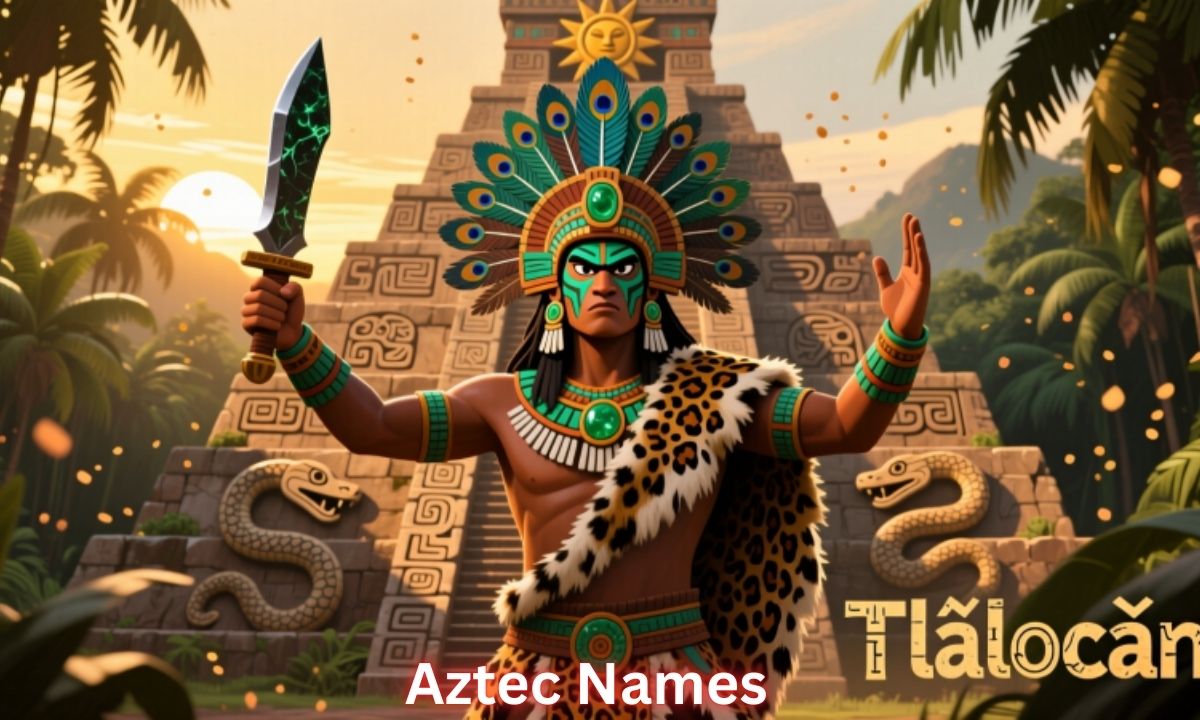

Aztec culture is full of history and mystery. Aztec Names carry the spirit of ancient people. They tell stories of strength, nature, and life. Choosing the right name is more than a label. Aztec Names can honor heritage and inspire imagination. These names are perfect for characters, pets, or even children.
Many Aztec Names are inspired by nature and gods. They reflect courage, wisdom, and family ties. Using Aztec Names helps keep culture alive. These names are unique and powerful. They bring life to stories and ideas.
Aztec Female Names
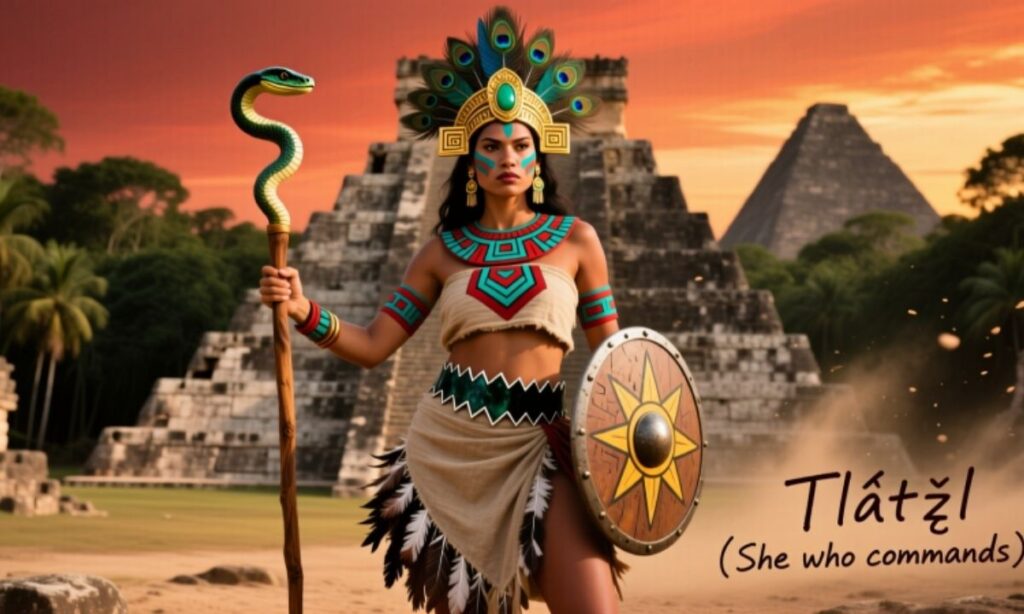
Women in Tenochtitlan carried names celebrating beauty, strength, and divine feminine power throughout their lives. These names connected daughters to goddesses like Chicomecóatl and cosmic forces. Parents chose carefully, believing names shaped destiny.
- Xochitlalli: “Flower Earth,” signifying growth and vibrant life rooted in fertile soil.
- Citlalmina: “Star Arrow,” representing guidance piercing through darkness with celestial precision.
- Ayauhcalli: “Mist House,” evoking mystery and the ethereal quality of morning fog.
- Malinalli: “Twisted Grass,” symbolizing resilience and adaptability in challenging circumstances.
- Chalchiuhpan: “Jade Banner,” denoting precious value and noble heritage among the Mexica.
- Tonantzinyo: “Our Sacred Mother,” honoring maternal devotion and nurturing protective energy.
- Cihuatlami: “Woman Captive,” reflecting strength even in adversity and survival.
- Mizquitl: “Mesquite Tree,” embodying endurance in harsh environments and sweet nourishment.
- Xilonenpilli: “Young Corn Prince,” celebrating agricultural abundance and youthful promise.
- Tlahuicanitzin: “Dawn Light Honored One,” welcoming new beginnings with radiant hope.
- Teicuiyo: “Stone Heart,” demonstrating unwavering resolve and emotional fortitude.
- Chanticoat: “Home Serpent,” protecting hearth and family with fierce guardian spirit.
- Teteoanan: “Divine Mother,” channeling sacred feminine power from ancient Toltecs traditions.
- Atlatoninyo: “Water Sun,” blending life-giving elements in harmonious balance.
- Papantzin: “Little Flag,” signaling importance despite small stature or youth.
- Chalchiuhcueyo: “Jade Skirt Sacred,” wearing wealth and status among Texcoco nobility.
- Xochicihuatl: “Flower Woman,” embodying natural beauty and delicate strength combined.
- Tociyo: “Our Grandmother Sacred,” respecting ancestral wisdom passed through generations.
- Xochitlito: “Little Flower,” expressing tender affection for beloved daughters.
- Citlalyo: “Star Sacred,” connecting human souls to eternal heavens above.
- Ayauhpan: “Mist Banner,” floating between worlds with spiritual grace.
- Chalchiuhyo: “Jade Sacred,” representing priceless worth beyond material measures.
- Malinalpan: “Twisted Grass Banner,” weaving complex patterns into unified strength.
- Chimalxochitl: “Shield Flower,” protecting beauty while maintaining gentle feminine qualities.
- Xochitlmetzli: “Flower Moon,” illuminating night gardens with soft silver light.
Read Also This: 670+ Best Student Group Names for Your Squad
Aztec Male Names
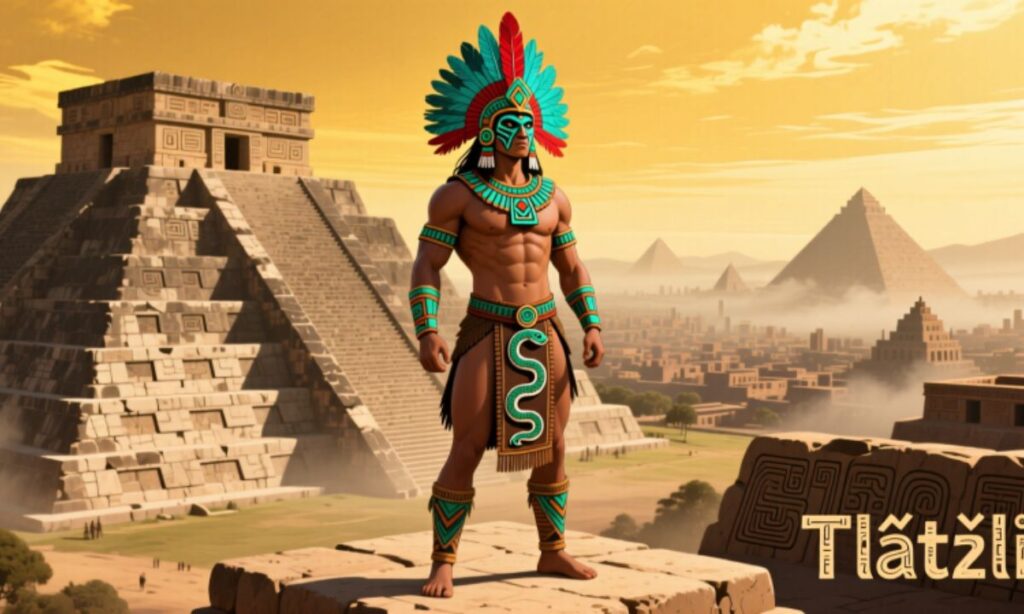
Men from Tlatelolco to Cholula bore names reflecting warrior prowess, leadership qualities, and connections to animal spirits. The Chichimeca and Acolhua peoples particularly valued names demonstrating courage. Boys grew into these powerful identities.
- Cuetzpalli: “Lizard,” symbolizing agility, quick reflexes, and survival adaptability.
- Tequihua: “Tribute Collector,” indicating administrative authority and economic responsibility.
- Itzcoatl: “Obsidian Serpent,” combining sharp deadliness with serpentine wisdom.
- Tonatiuhyo: “Sun Sacred,” channeling solar power and masculine divine energy.
- Mizquicatl: “Mesquite Person,” embodying desert toughness and practical resourcefulness.
- Tepiltzin: “Noble Son,” marking aristocratic lineage among Tepaneca families.
- Atlcoatl: “Water Serpent,” mastering aquatic realms with serpentine grace.
- Xochimictli: “Flower Death,” finding beauty even in life’s inevitable ending.
- Chimalpan: “Shield Banner,” defending community with unwavering protective commitment.
- Tlahuicole: Famous warrior name meaning strength that legends celebrated throughout Huexotzinco.
- Aztlanecatl: “Person from Aztlan,” remembering mythical ancestral homeland origins.
- Cuauhxilotl: “Eagle Corn,” blending noble bird symbolism with agricultural sustenance.
- Tezcatlitzin: “Mirror Honored One,” reflecting truth and self-awareness clearly.
- Tlaltecpatl: “Earth Flint,” grounding sharpness in solid practical foundation.
- Ocelopan: “Jaguar Banner,” displaying feline ferocity and spotted power.
- Xipilotl: “Turquoise Fire,” burning with rare precious intensity.
- Mictlayotl: “Death Essence,” accepting mortality with philosophical warrior calm.
- Chicomecatl: “Seven Reed,” following sacred calendar cycles with precision.
- Cuauhtliyo: “Eagle Sacred,” soaring above mundane concerns with predatory focus.
- Itzelpan: “Obsidian Face,” presenting a hard impenetrable exterior to enemies.
- Tepictliyo: “Little Mountain Sacred,” containing enormous strength despite a small beginning.
- Tonatiuhpilli: “Sun Prince,” destined for leadership and radiant influence.
- Coyotltzin: “Honored Coyote,” demonstrating cleverness and adaptive cunning.
- Itzcuinyo: “Dog Sacred,” showing loyalty and protective guardian instincts.
- Tlaltecuitl: “Earth Lord,” commanding terrestrial forces with grounded authority.
Aztec Warrior Names
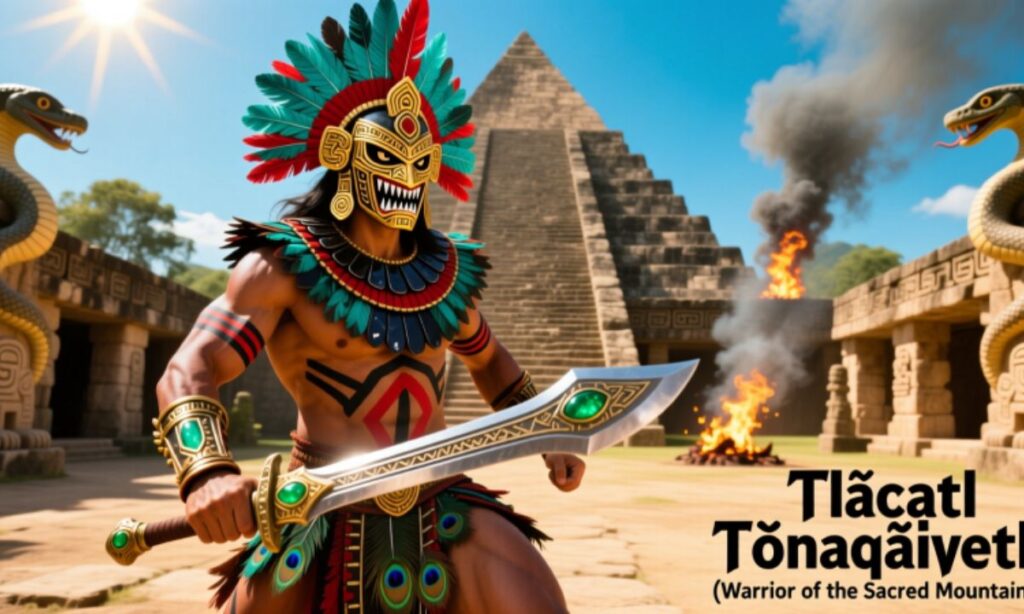
Warriors defending Tenochtitlan earned names celebrating battlefield prowess and fearless dedication to Huitzilopochtli’s glory. These titles distinguished elite fighters from common soldiers. Honor demanded worthy names.
- Cuauhcalli: “Eagle House,” establishing warrior lodges where brave fighters gathered.
- Ocelochicua: “Jaguar Strong,” demonstrating feline power in combat situations.
- Tepictonal: “Mountain Day Sign,” standing immovable like peaks against enemies.
- Tlahtohcoatl: “Speaker Serpent,” commanding troops with wise strategic authority.
- Chimalhuitl: “Shield Feather,” defending with both protection and swift mobility.
- Tlatoaniyo: “Speaker Sacred,” leading through persuasive eloquence and decisive action.
- Cuetzpaltzin: “Honored Lizard,” dodging attacks with incredible reflexive speed.
- Tequihuanecatl: “Tribute Warrior,” conquering territories for economic expansion purposes.
- Mictlayohualli: “Death Night,” bringing darkness and doom to opposing forces.
- Cuauhpanco: “Eagle Banner,” rallying troops under powerful avian symbolism.
- Tezcatlpilli: “Mirror Prince,” reflecting enemy tactics back upon themselves strategically.
- Chicomeocelotl: “Seven Jaguar,” multiplying feline ferocity through sacred numerology.
- Ocelotonal: “Jaguar Day Sun,” combining spotted power with solar masculine energy.
- Tlahuicayotl: “Light Essence,” illuminating battlefields with brilliant tactical clarity.
- Ehecayotl: “Wind Essence,” moving with invisible speed across combat zones.
- Atlacachua: “Water Carrier Warrior,” sustaining armies during extended campaign marches.
- Chalchiuhcalli: “Jade House,” establishing prestigious warrior quarters for elite fighters.
- Cuauhtemictli: “Descending Eagle,” swooping down upon enemies from elevated positions.
- Ocelopan: “Jaguar Place,” marking territories conquered through spotted warrior societies.
- Chimalpopoca: “Smoking Shield,” creating confusion while maintaining defensive formations.
- Tlalocapan: “Rain God Place,” controlling water sources during siege warfare.
- Cuauhcoatl: “Eagle Serpent,” combining aerial and terrestrial hunting strategies.
- Mizquitonal: “Mesquite Day,” enduring long campaigns with desert-adapted toughness.
- Atlcoatzin: “Honored Water Serpent,” mastering amphibious assault tactics.
- Xipepanqui: “Flayed Skin,” associated with Xipe Totec’s warrior cult rituals.
Aztec Clan Names
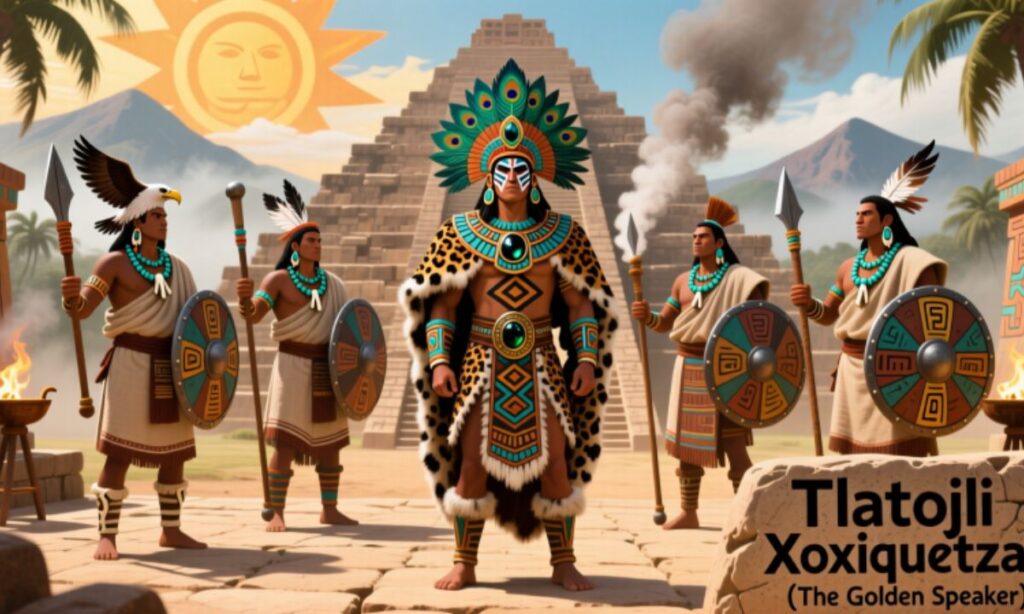
Clans across Iztapalapa and Coyoacan traced lineages through distinctive family designations connecting ancestors to present generations. The Chalca and Tlahuica peoples maintained complex kinship systems. Identity flowed through bloodlines.
- Tlatelolcatzin: “Honored Person from Tlatelolco,” marking northern twin city origins.
- Huexotzincoatl: “Serpent from Huexotzinco,” connecting to important allied city-states.
- Culhuayohua: “Possessor of Culhuacan Heritage,” claiming ancient Toltec royal ancestry.
- Tepanecayotl: “Tepanec Essence,” belonging to the powerful western valley confederation.
- Xochimilcayotl: “Xochimilco Essence,” descending from famous chinampas farmers.
- Chichimecatli: “Chichimeca Person,” maintaining northern nomadic warrior heritage.
- Texcocayotl: “Texcoco Essence,” claiming eastern intellectual city cultural refinement.
- Acolhuapilli: “Acolhua Prince,” nobility from sophisticated lakeside kingdoms.
- Cuitlahuacayotl: “Cuitlahuac Essence,” originating from southern island settlements.
- Tenochtitlanecatl: “Person from Tenochtitlan,” proudly claiming imperial capital citizenship.
- Totolimpanecatl: “Turkey Banner Person,” displaying clan totem bird symbolism.
- Tetzcocayotl: “Texcoco Essence Variant,” alternative spelling emphasizing cultural origins.
- Cuitlahuacpan: “Cuitlahuac Place,” marking a specific neighborhood within an island community.
- Chalcapilli: “Chalca Prince,” nobility from southeastern confederation territories.
- Malinalcayotl: “Malinalco Essence,” descending from the sacred mountain temple city.
- Xochimilcapilli: “Xochimilco Prince,” aristocracy among flower-growing lake communities.
- Teotihuacayotl: “Teotihuacan Essence,” claiming heritage from an ancient mysterious metropolis.
- Tepoztlanecatl: “Tepoztlan Person,” originating from mountainous Tepoztlan defensive stronghold.
- Coyoacanecatl: “Coyoacan Person,” residing in an important southern mainland district.
- Atzcapotzalcoatl: “Atzcapotzalco Serpent,” linking to the once-dominant Tepanec capital.
- Cholultepecatl: “Cholula Mountain Person,” descending from a great pyramid city.
- Tlaxcaltecayotl: “Tlaxcalteca Essence,” maintaining proud independence from Mexica domination.
- Acolmanecatl: “Acolman Person,” hailing from northern valley agricultural community.
- Iztapalapayotl: “Iztapalapa Essence,” originating from southern causeway peninsula settlement.
- Huexotzincayotl: “Huexotzinco Essence,” preserving eastern rival city-state heritage.
Aztec God Names
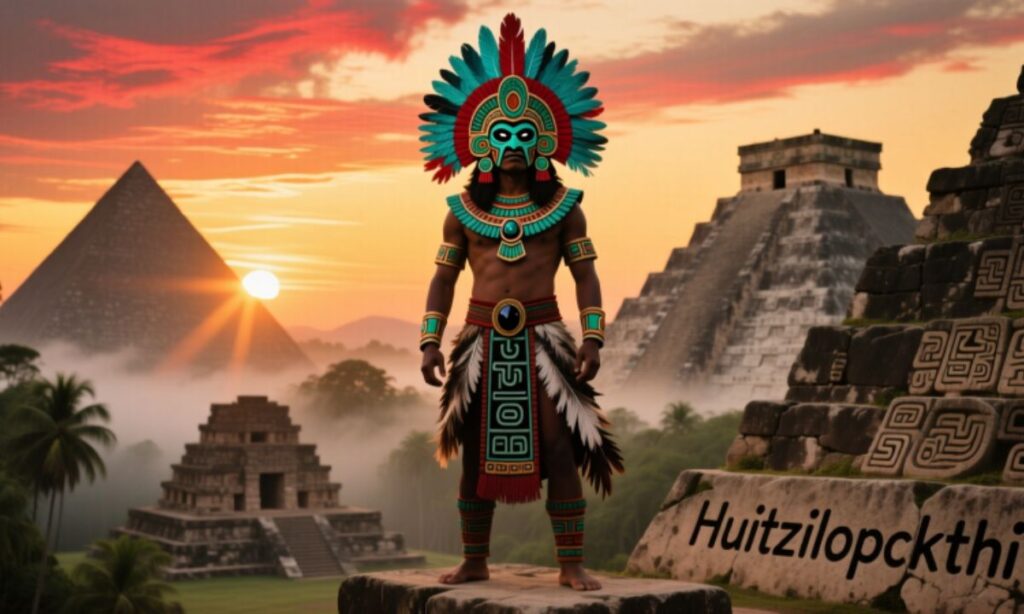
Divine beings like Quetzalcoatl and Huitzilopochtli governed cosmic forces throughout the Mexica spiritual universe. Priests at Tenochtitlan’s temples invoked these deities daily. Gods demanded proper recognition.
- Quetzalcoatl: “Feathered Serpent,” creating humanity and bringing cultural knowledge.
- Huitzilopochtli: “Left-Handed Hummingbird,” leading Mexica to imperial greatness.
- Chicomecóatl: “Seven Serpent,” providing maize abundance to agricultural communities.
- Tonacatecuhtliyo: “Sacred Lord of Our Sustenance,” ensuring food never disappeared.
- Mictlapilli: “Underworld Prince,” ruling the death realm beneath the living world.
- Itzpapalotliyo: “Sacred Obsidian Butterfly,” governing warrior sacrifice and transformation.
- Cihuatonatiuh: “Woman Sun,” representing feminine solar power during eclipses.
- Xipepanqui: “Flayed Banner,” renewing earth through skin-shedding spring rituals.
- Tlalocpilli: “Rain Prince,” bringing storms and agricultural moisture.
- Huitzilcoatl: “Hummingbird Serpent,” blending martial aggression with serpentine wisdom.
- Coatlicuepilli: “Serpent Skirt Prince,” birthing gods through cosmic sacrifice.
- Tepeyollotlpan: “Heart of Mountain Place,” dwelling in volcanic caves.
- Quetzalma: “Feathered Captive,” variant aspect of Quetzalcoatl in ceremonial contexts.
- Tlaltecatl: “Earth Person,” embodying terrestrial forces and seismic power.
- Chicomepilli: “Seven Prince,” marking sacred calendar completion cycles.
- Tezcatlil: “Smoking Mirror,” revealing hidden truths through obsidian reflection.
- Xochipilcoatl: “Flower Prince Serpent,” governing artistic beauty and creative inspiration.
- Huehuepilli: “Old Prince,” representing ancient wisdom accumulated through ages.
- Teocihualpilli: “Divine Woman Prince,” blending masculine and feminine sacred energies.
- Xipilotonal: “Turquoise Fire Day,” burning with precious intensity.
- Chalchiuhcoyotl: “Jade Coyote,” demonstrating cunning with precious value.
- Mictlanmixli: “Underworld Cloud Serpent,” obscuring boundaries between life and death.
- Cuetzpalteotl: “Lizard God,” governing quick adaptation and survival reflexes.
- Aztlanmixcoatl: “Aztlan Cloud Serpent,” connecting homeland to celestial realm.
- Tlalocapan: “Rain God Banner,” displaying Tlaloc’s power over water.
Aztec Nature Names
Natural phenomena inspired names throughout settlements from Malinalco’s mountains to Xochimilco’s floating gardens. The Acolhua appreciated environmental connections deeply. Nature spoke through nomenclature.
- Xochicueitl: “Flower Skirt,” blooming with colorful petals like traditional dress.
- Metzlitli: “Moon Belly,” reflecting lunar cycles and nighttime illumination.
- Tlalnelpan: “Earth Root,” grounding existence in terrestrial foundation.
- Itzcuetzpalli: “Obsidian Lizard,” combining volcanic glass with reptilian agility.
- Acalxochitl: “Boat Flower,” floating beauty across lake waters gracefully.
- Oceloyohualli: “Jaguar Night,” prowling darkness with spotted stealth.
- Chalchiuhatl: “Jade Water,” a precious liquid essential for survival.
- Tonatihuayo: “Sun Sacred,” channeling daily solar journeys across the sky.
- Mizquicoatl: “Mesquite Serpent,” intertwining desert plant with serpentine form.
- Atltepetl: “Water Mountain,” describing volcanic peaks feeding springs.
- Cuetzpaltecpatl: “Lizard Flint,” sharp-edged adaptation to harsh environments.
- Chicomeatl: “Seven Water,” marking sacred river confluences.
- Teotlmetztli: “Divine Moon,” connecting lunar phases to spiritual cycles.
- Citlalocelotl: “Star Jaguar,” celestial hunter prowling heavens nocturnally.
- Itzcuintlitzin: “Honored Dog,” loyal companion guiding souls through Mictlan.
- Coyopilli: “Coyote Prince,” trickster spirit navigating between worlds.
- Tlaltecuhtliyo: “Sacred Earth Lord,” massive earth monster forming planet’s surface.
- Chicomeatlpan: “Seven Water Banner,” displaying rivers’ sacred convergence.
- Ocelopan: “Jaguar Place,” territorial marking by dominant feline predators.
- Mizquitlpan: “Mesquite Banner,” signaling desert oasis presence.
- Itzcuetzpalli: “Obsidian Lizard,” basking on volcanic rock formations.
- Tlaltemicpan: “Earth Descended Place,” valleys nestled between mountains.
- Xochihuicatl: “Flower Song,” celebrating nature’s melodic beauty.
- Chimalitzcuintli: “Shield Dog,” protecting with canine loyalty.
- Mixcoatzinyo: “Honored Cloud Serpent,” weaving through sky formations.
Aztec Baby Names
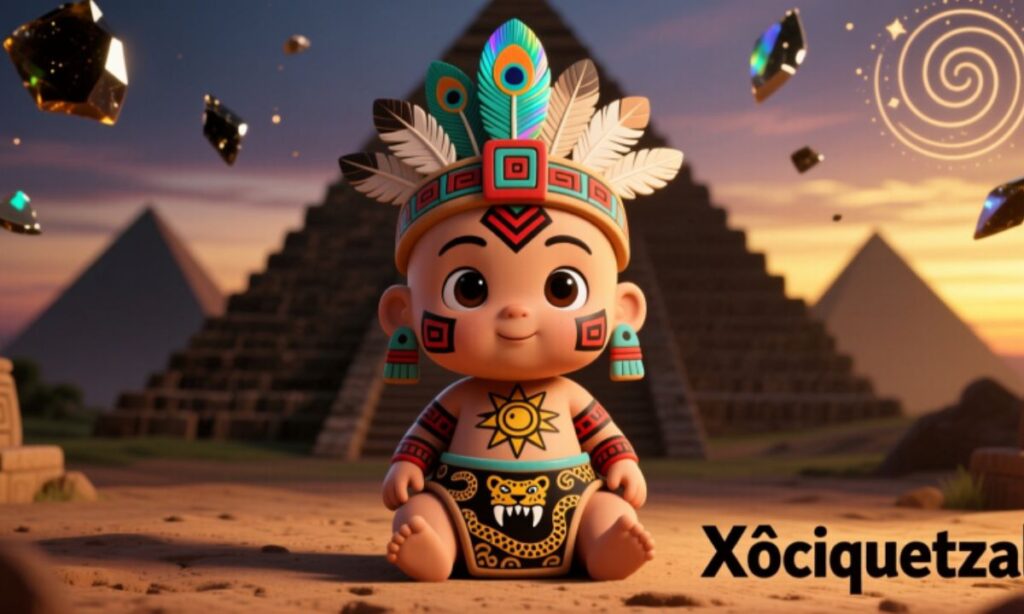
Parents in Tenochtitlan consulted priests and the tonalpohualli calendar before naming newborns arriving into the world. Auspicious birth dates influenced choices significantly. Destiny began with names.
- Xochitlito: “Little Flower,” expressing parental tenderness toward delicate daughters.
- Citlalyo: “Sacred Star,” connecting infant souls to celestial heavens.
- Ayauhpan: “Mist Banner,” floating gently into the world like morning fog.
- Tlaltecuitl: “Earth Lord,” grounding baby in terrestrial stability.
- Cuauhtliyo: “Sacred Eagle,” destined for soaring achievements.
- Itzelpan: “Obsidian Face,” promising strength and sharp intelligence.
- Ocelotzinyo: “Honored Little Jaguar,” displaying fierce spirit early.
- Chicomepilli: “Seven Prince,” born on a fortunate calendar day.
- Mizquitlpan: “Mesquite Banner,” tough survivor from beginning.
- Tepictliyo: “Sacred Little Mountain,” containing greatness despite small size.
- Chalchiuhyo: “Sacred Jade,” precious beyond measure to family.
- Tonatiuhpilli: “Sun Prince,” radiating warmth and brightness.
- Malinalpan: “Twisted Grass Banner,” flexible and adaptable.
- Coyotltzin: “Honored Little Coyote,” clever from earliest moments.
- Xipilotlito: “Little Turquoise Fire,” burning brightly with rare intensity.
- Itzcuinyo: “Sacred Dog,” loyal companion throughout life.
- Tlahuicoatlito: “Little Light Serpent,” illuminating the family’s future path.
- Chimalxochitl: “Shield Flower,” protecting beauty while maintaining gentleness.
- Ayauhcalli: “Mist House,” mysterious and ethereal presence.
- Xilonenpilli: “Young Corn Prince,” promising future abundance.
- Papantzin: “Honored Little Flag,” small but significant.
- Teicuiyo: “Sacred Stone Heart,” demonstrating early determination.
- Mizquitl: “Mesquite Tree,” enduring whatever conditions arise.
- Atlcoatzin: “Honored Water Serpent,” flowing gracefully through life.
- Cuauhtlito: “Little Eagle,” destined to fly high.
Aztec City and Place Names
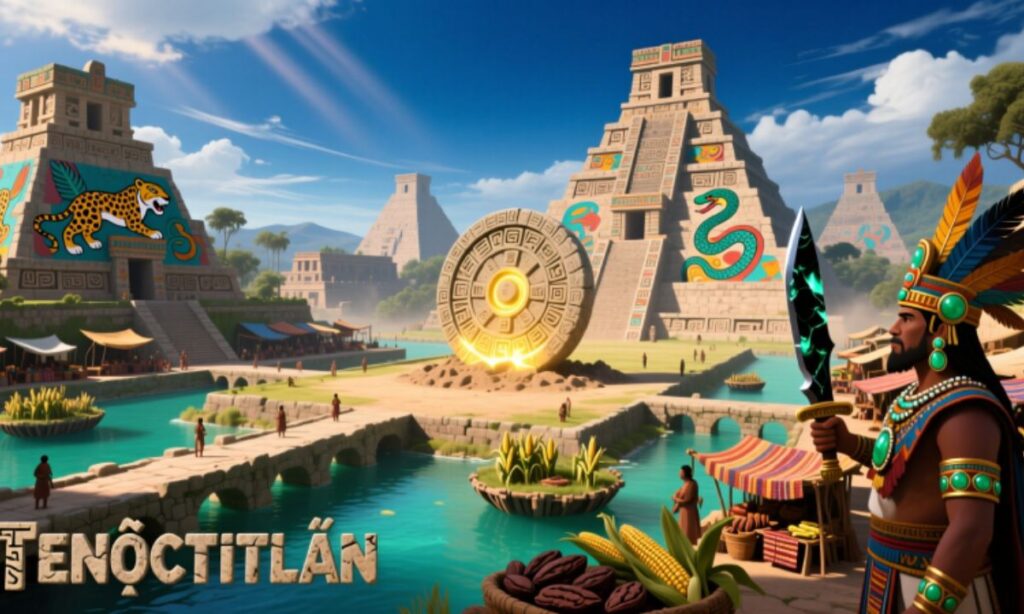
Cities stretched across valleys from Teotihuacan’s ancient ruins to newly conquered territories controlled by the empire. Geographic locations defined cultural identity strongly. Places shaped people.
- Tenochtlanecatl: “Person from Tenochtitlan,” proud imperial capital citizenship.
- Texcocoapan: “Texcoco Banner,” marking an intellectual eastern cultural center.
- Tlaxcaltecayotl: “Tlaxcalteca Essence,” independent republic resisting Mexican control.
- Cholultepecatl: “Cholula Mountain Person,” great pyramid city heritage.
- Xochimilcotzinyo: “Honored Xochimilco Sacred,” famous floating garden origins.
- Tlatelolcopan: “Tlatelolco Place,” northern twin city marketplace hub.
- Chalcayotlpan: “Chalca Essence Place,” southeastern confederation territory marker.
- Cuitlahuacapan: “Cuitlahuac Banner,” southern island settlement designation.
- Malinalcayotl: “Malinalco Essence,” sacred mountain temple city heritage.
- Atzcapotzalcoatl: “Atzcapotzalco Serpent,” former Tepanec capital power base.
- Tepanecatepetl: “Tepanec Mountain,” western valley confederation heartland.
- Huexotzincopan: “Huexotzinco Place,” an important eastern rival city-state.
- Iztapalapayotl: “Iztapalapa Essence,” causeway peninsula strategic location.
- Acolmanecatl: “Acolman Person,” northern valley agricultural community.
- Teotihuacayotl: “Teotihuacan Essence,” mysterious ancient metropolis connection.
- Tepoztlanecatl: “Tepoztlan Person,” mountainous defensive stronghold origins.
- Coyoacanecatl: “Coyoacan Person,” southern mainland district residence.
- Culhuayohua: “Culhuacan Possessor,” ancient Toltec cultural successor.
- Totolimpanecatl: “Turkey Banner Person,” specific clan territorial marker.
- Tetzcocayotl: “Texcoco Essence,” refined lakeside kingdom heritage.
- Huexotzincayotl: “Huexotzinco Essence,” eastern rival cultural preservation.
- Chalcapilli: “Chalca Prince,” southeastern confederation noble lineage.
- Xochimilcapilli: “Xochimilco Prince,” flower-growing lake community aristocracy.
- Tlatelolcatzin: “Honored Tlatelolco Person,” marketplace quarter identity.
- Malinalcopan: “Malinalco Banner,” sacred temple mountain designation.
Read Also This: Jester Names: Whimsical Jester Name Ideas & Generator
Fantasy Aztec Names
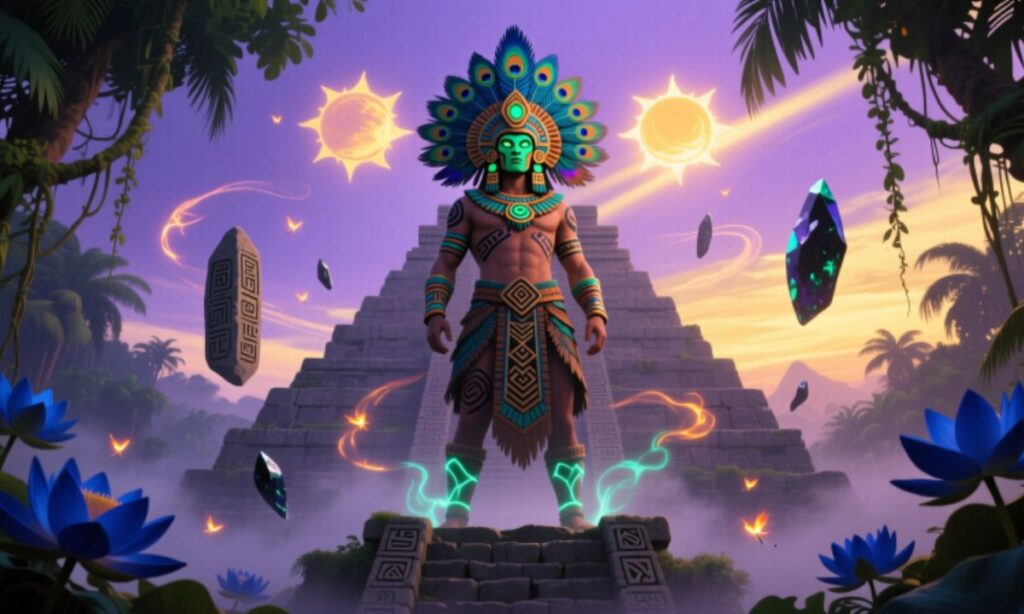
Creative names blend traditional Nahuatl elements with imaginative combinations evoking magical possibilities beyond historical records. Modern storytellers craft these inventions respectfully. Fantasy honors tradition.
- Teocihualpilli: “Divine Woman Prince,” merging masculine and feminine cosmic powers.
- Xipilotonal: “Turquoise Fire Day,” burning with precious supernatural intensity.
- Itzpapantzin: “Honored Obsidian Butterfly,” transforming through volcanic metamorphosis.
- Tlaltemicpan: “Earth Descended Place,” mystical underground realm entrance.
- Chalchiuhcoyotl: “Jade Coyote,” trickster spirit with precious gemstone cunning.
- Mictlanmixli: “Underworld Cloud Serpent,” obscuring death realm boundaries.
- Cuetzpalteotl: “Lizard God,” divine reptilian adaptation deity.
- Xochihuicatl: “Flower Song,” a magical melody bringing blossoms to life.
- Aztlanmixcoatl: “Aztlan Cloud Serpent,” connecting mythical homeland to heavens.
- Huehueitzli: “Ancient Obsidian,” primordial volcanic glass consciousness.
- Tepoztecatlpan: “Tepoztecatl Place,” magical mountain pulque god domain.
- Tlahuicoatl: “Light Serpent,” illuminating darkness with serpentine wisdom.
- Xochitlmetzli: “Flower Moon,” lunar gardens blooming at midnight.
- Chimalitzcuintli: “Shield Dog,” supernatural guardian protecting sacred spaces.
- Tepeyollotlpan: “Heart of Mountain Place,” volcanic god’s beating core.
- Cuitlahuicihuatl: “Cuitlahuac Woman,” island sorceress commanding lake waters.
- Mixcoatzinyo: “Honored Cloud Serpent,” weaving weather through sky magic.
- Tlalocapan: “Rain God Banner,” controlling storms with divine authority.
- Itzpapalotliyo: “Sacred Obsidian Butterfly,” warrior transformation through ritual death.
- Cihuatonatiuh: “Woman Sun,” feminine solar eclipse goddess.
- Tezcatlil: “Smoking Mirror,” revealing alternate realities through obsidian portals.
- Quetzalma: “Feathered Captive,” Quetzalcoatl aspect trapped between worlds.
- Huitzilcoatl: “Hummingbird Serpent,” rapid aerial warfare deity.
- Coatlicuepilli: “Serpent Skirt Prince,” cosmic birth through sacrifice.
- Atlacachua: “Water Carrier Warrior,” controlling rivers during supernatural battles.
Frequently Asked Questions
What are some popular ancient Mexican names?
Many Aztec Names honor gods, nature, and courage. Using these Aztec Names can bring heritage and history into modern stories, pets, or baby names.
How can I find unique traditional names for children?
Parents love Aztec Names for their beauty and meaning. Choosing Aztec Names connects children to culture, strength, and the wisdom of ancient Mexica people.
Which names are inspired by Aztec gods?
Many Aztec Names come from deities like Quetzalcoatl and Tonacatecuhtliyo. These Aztec Names carry divine power, protection, and spiritual significance for your story or baby.
What names reflect Aztec nature and life?
Nature-inspired Aztec Names celebrate earth, sun, water, and animals. Using Aztec Names rooted in nature brings harmony, beauty, and life into modern naming.
Are there strong warrior names from Aztec culture?
Yes, warrior Aztec Names reflect bravery and honor. Choosing Aztec Names for characters or children evokes courage, loyalty, and timeless ancestral strength.
Can Aztec names be used for pets or characters?
Absolutely, Aztec Names suit pets or fictional characters. These Aztec Names carry uniqueness, history, and magical meanings for any creative project.
Where can I find lists of authentic Aztec names?
You can find curated Aztec Names online or in cultural guides. Using these Aztec Names ensures authenticity, inspiration, and connection to ancient traditions.
Final Thought
Aztec Names carry history, meaning, and beauty. They connect us to ancient culture. Using Aztec Name keeps traditions alive. Each name tells a story of courage, nature, or wisdom. They are perfect for children, characters, or pets. Aztec Names inspire creativity and honor heritage. Choosing the right name is a way to celebrate the past.
Exploring Aztec Names opens doors to history and imagination. They hold power and uniqueness. Sharing Aztec Names helps culture endure. Each name sparks ideas and emotion. These names are timeless and meaningful.
