


Samurai Names carry a strong history. People love these names because they feel powerful. You can use Samurai Names for stories, games, or creative projects. Each name feels bold. Each one brings a sense of honor. These names remind you of brave warriors. They make your characters feel alive. They also add depth to your ideas.
Many writers search for Samurai Names to make their work stand out. These names give a heroic tone. You can shape a full world with them. Use Samurai Names when you want strength and spirit. They fit fantasy worlds. They also fit modern settings. You can choose simple ones or rare ones. Each name adds meaning.
Female Samurai Names

Female warriors proved their mettle alongside men throughout Japanese history’s bloodiest conflicts. The onna-bugeisha trained rigorously in combat, mastering weapons and strategy with dedication.
- Tomoe: Named after the legendary Tomoe Gozen, symbolizing beauty, strength, and unmatched archery skills in battle.
- Nakano: Honors the Nakano clan’s fierce female warriors who displayed exceptional leadership during clan warfare.
- Kaihime: A princess warrior from Edo who combined grace with deadly precision in mounted combat.
- Hōjō: Represents the noble Hōjō clan women who defended Kyoto with unwavering loyalty and tactical genius.
- Yukimura: Inspired by feminine strength, embodying the courage to face overwhelming odds without hesitation or fear.
- Masako: The Iron Lady of samurai culture, known for political acumen and defending her family’s honor.
- Takeko: A name meaning fierce child, associated with women who mastered the naginata during treacherous times.
- Ginchiyo: The Lightning General, famous for her brilliant guerrilla warfare tactics against larger enemy forces across Japan.
- Tsuruhime: A shrine maiden turned warrior, blending spiritual symbolism with exceptional combat prowess and selflessness throughout battles.
- Hangaku: The legendary defender who commanded troops during the Genpei War with unmatched bravery and strategic brilliance.
- Ishi: Stone-hearted protector of Nagoya, renowned for her resilience when defending castles against prolonged siege warfare.
- Nene: A diplomatic warrior who balanced compassion with strength, supporting her husband’s rise to shogunate power.
- Chiyo: Morning dew warrior, known for stealth operations and espionage missions that turned battle tides completely.
- Myorin: The enlightened blade, combining Buddhist philosophy with deadly swordsmanship and unwavering discipline in every encounter.
- Aizu: Named after the domain’s female warriors who fought during the Shimabara Rebellion with fearless determination.
- Shizuka: The quiet storm, a dancer-turned-warrior whose beauty masked her lethal skills with katana and cunning.
- Ikeda: From the Ikeda clan of Osaka, these women excelled in clan leadership and defending ancestral lands.
- Yodo: A tragic figure whose strength couldn’t prevent betrayal, representing the cost of vengeance and ambition.
- Kiyohime: The serpent warrior, symbolizing transformation from gentle maiden to fierce protector through life’s harsh trials.
- Matsuhime: Pine princess, standing tall like ancient trees, weathering storms with grace and unbreakable warrior spirit.
- Ohatsu: A merchant’s daughter who took up arms, proving nobility isn’t inherited but earned through action.
- Senhime: Survived multiple castle sieges, embodying resilience and the ability to rebuild after devastating losses and treachery.
- Asa: Morning warrior of Sendai, famous for organizing female defense units that protected villages from raiders.
- Yoshiko: Fragrant child who became a legend, teaching younger generations the importance of honor code adherence.
- Okuni: Founder of kabuki who wielded influence like a blade, shaping culture while maintaining her independence.
- Komatsuhime: Small pine princess with immense courage, negotiating peace treaties while prepared for immediate battle response.
- Kazu: Harmony warrior who sought justice through diplomacy first but never hesitated when combat became absolutely necessary.
- Myoju: Bright star of Hiroshima, illuminating dark times with hope while defending innocent civilians from oppression.
- Tsukiyama: Moon mountain lady whose serene demeanor concealed a calculating mind perfect for intricate political maneuvering and strategy.
- Mitsuhide: Light and excellence combined, representing the ideal balance between feminine grace and warrior ethics forever.
- Otsu: The compassionate blade who protected orphans during clan warfare, becoming a symbol of selflessness across regions.
- Rin: Dignified guardian of Fukuoka temples, merging spiritual devotion with practical combat training for defense purposes always.
- Yoshimasa: Righteous beauty who refused corruption, maintaining her clan’s reputation despite pressure from malevolent neighboring daimyo forces.
- Katsu: Victory incarnate, this name celebrates women who achieved impossible wins through superior battle tactics constantly.
- Mochizuki: Full moon warrior, fighting fiercest when darkness fell, using night as advantage during stealth operations regularly.
Read Also This: Knight Names: Valiant Knight Name Ideas & Generator
Male Samurai Names
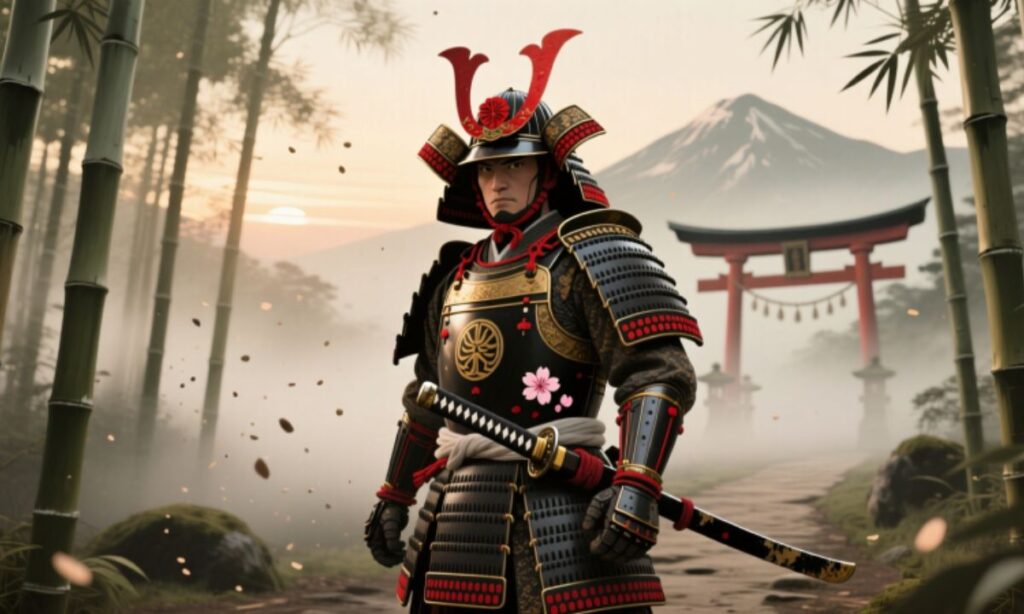
Male samurai dominated Japan’s military history from the Heian period through Edo times. These warriors served their daimyo with absolute loyalty, mastering katana techniques and battle tactics. Their names still evoke images of fearless warriors charging into combat with unwavering resolve.
- Musashi: The legendary swordsman Miyamoto Musashi, undefeated duelist who created the two-sword fighting style brilliantly.
- Nobunaga: Revolutionary daimyo Oda Nobunaga who unified Japan through innovation, ruthlessness, and strategic genius beyond compare.
- Hideyoshi: Toyotomi Hideyoshi rose from peasant to ruler, proving leadership transcends birth in shogunate politics entirely.
- Ieyasu: Tokugawa Ieyasu’s patience and cunning established the Edo shogunate that brought centuries of relative peace.
- Hanzō: Hattori Hanzō, master ninja who served Tokugawa with espionage skills and stealth unmatched in feudal Japan.
- Kenshin: Uesugi Kenshin, the Dragon of Echigo, combined Buddhist devotion with unparalleled military prowess impressively.
- Shingen: Takeda Shingen, the Tiger of Kai, whose cavalry charges became legendary throughout the chaotic Sengoku period.
- Masamune: Date Masamune, the One-Eyed Dragon, conquered northern territories despite physical disability through sheer determination.
- Kojirō: Sasaki Kojirō wielded the legendary sword Monohoshizao, tragically falling to Musashi in history’s most famous duel.
- Yukimura: Sanada Yukimura, Crimson Demon, displayed such courage at Osaka that even enemies praised his warrior spirit.
- Tadakatsu: Honda Tadakatsu survived countless battles unscathed, earning a reputation as Japan’s strongest samurai through pure skill.
- Munenori: Yagyu Munenori served as sword instructor to multiple shoguns, blending philosophy with deadly practical martial arts.
- Masashige: Kusunoki Masashige’s loyalty to the Emperor became legendary, choosing honor over survival during desperate final battles.
- Ittosai: Ito Ittosai founded an influential sword school, his teachings spreading throughout Japan’s warrior class for generations continuously.
- Shirō: Amakusa Shirō led the Shimabara Rebellion at seventeen, combining charisma with tactical ability beyond his years.
- Goemon: Ishikawa Goemon became a folk hero after robbing corrupt officials, representing justice through outlaw ronin actions.
- Sōji: Okita Sōji of the Shinsengumi wielded his katana with speed that made his blade practically invisible during combat.
- Yoshitsune: Minamoto no Yoshitsune’s tactical genius won the Genpei War before jealousy led to his tragic downfall.
- Benkei: The warrior monk whose loyalty to Yoshitsune became legendary, standing guard even after death reportedly occurred.
- Mototada: Torii Mototada’s suicidal defense of Fushimi Castle demonstrated bushido’s essence through ultimate sacrifice willingly given.
- Naomasa: Ii Naomasa led the fearsome Red Devils cavalry unit, earning respect through battlefield cruelty and tactical brilliance.
- Kiyomasa: Katō Kiyomasa conquered Korean fortresses, though his brutality sparked controversy about warrior ethics and honor codes.
- Nagamasa: Azai Nagamasa chose clan loyalty over family, embodying the painful choices samurai faced during civil wars.
- Ujimasa: Hōjō Ujimasa defended his domain brilliantly but ultimately faced destruction when refusing surrender despite overwhelming odds.
- Yasuke: The African samurai who served Nobunaga, proving combat prowess transcends cultural boundaries in warrior tradition completely.
- Toshiie: Maeda Toshiie balanced battlefield excellence with administrative skill, building prosperity while maintaining constant military readiness.
- Mitsunari: Ishida Mitsunari’s administrative genius couldn’t overcome battlefield inexperience, teaching that diverse skills create complete leaders.
- Muneshige: Tachibana Muneshige excelled at both mounted combat and siege warfare, adapting brilliantly to changing tactical situations.
- Motonari: Mōri Motonari expanded his small domain through cunning rather than force, mastering psychological warfare tactics.
- Katsuie: Shibata Katsuie’s strength earned him the nickname “Demon,” displaying fearlessness that inspired troops during desperate battles.
- Yoshihiro: Shimazu Yoshihiro’s strategic retreat from Sekigahara became a military legend, saving his forces through unconventional thinking boldly.
- Nagahide: Niwa Nagahide served Nobunaga faithfully, demonstrating loyalty doesn’t require flashiness but consistent dedicated service throughout life.
- Hidemitsu: Hori Hidemitsu balanced governance with military readiness, understanding true leadership requires multiple competencies beyond swordsmanship alone.
- Masayuki: Sanada Masayuki’s defensive brilliance against Tokugawa armies demonstrated how smaller forces defeat giants through terrain advantages.
- Yoshiaki: Ashikaga Yoshiaki’s weakness as shogun proved military power means nothing without political acumen and leadership qualities.
Cool Samurai Names

Cool names capture the essence of samurai mystique perfectly nowadays and historically. These monikers blend spiritual symbolism with warrior imagery, creating identities that resonate across centuries.
- Ryūjin: Dragon god warrior, commanding water and storms with supernatural power rivaling legendary creatures from ancient myths.
- Raijin: Thunder god incarnate, striking enemies with lightning speed and overwhelming force that echoes across battlefields dramatically.
- Kōryu: Black dragon of the night, specializing in stealth operations and espionage missions under cover of darkness.
- Genji: Silver warrior descended from imperial line, combining nobility with deadly swordsmanship throughout the Genpei War historically.
- Hayate: Swift wind blade, moving faster than opponents can react, embodying the element’s unpredictable nature completely.
- Jinrai: Thunder clap warrior whose attacks arrived before his presence registered, utilizing surprise as primary tactical advantage.
- Raiden: Lightning flash fighter combining speed with devastating power, overwhelming defenses through sheer explosive offensive capability constantly.
- Tesshin: Iron heart guardian with unbreakable will, refusing surrender regardless of circumstances or overwhelming enemy numerical superiority.
- Fubuki: Snowstorm samurai whose cold demeanor matched his ruthless efficiency in eliminating targets without hesitation or mercy.
- Seiryu: Azure dragon of the east, protecting sacred territories with mystical martial arts passed through generations secretly.
- Byakko: White tiger warrior, embodying western direction’s fierce protective instincts combined with strategic cunning and ferocity.
- Suzaku: Crimson phoenix rising from defeat, representing resurrection and the warrior spirit’s refusal to accept final failure.
- Genbu: Black turtle protector providing defensive expertise that made fortifications nearly impregnable throughout lengthy siege warfare operations.
- Tengu: Mountain demon swordsman with supernatural skill, teaching martial arts to worthy students in isolated mountain retreats.
- Oni: Demon warrior whose fearsome reputation preceded his arrival, causing enemies to flee before engagement even began.
- Kage: Shadow master operating beyond perception, eliminating targets through assassination before discovery became remotely possible for guards.
- Yamata: Eight-headed serpent warrior wielding multiple weapons simultaneously, confusing opponents with unpredictable attack patterns constantly flowing.
- Tsukikage: Moon shadow fighter strongest during night operations, combining darkness with lethal precision throughout covert missions regularly.
- Akatsuki: Crimson dawn warrior signaling new beginnings through revolution, overthrowing corrupt regimes with justified violent action when necessary.
- Shirogane: Silver blade master whose weapon reflected moonlight, creating visual distraction while delivering fatal strikes unnoticed initially.
- Kurogane: Black steel warrior forged through hardship, becoming stronger with each trial faced throughout extraordinarily difficult life.
- Rasetsu: Demon warrior consumed by battle fury, losing humanity while gaining unmatched combat prowess and terrifying battlefield presence.
- Shura: War demon fighting endlessly without rest, driven by vengeance that consumed rational thought entirely over extended time.
- Hagane: Steel-hearted defender with discipline rivaling legendary monks, never wavering from chosen path despite enormous external pressure constantly.
- Tsubasa: Winged warrior moving with aerial grace, striking from unexpected angles before enemies comprehended his positioning advantages fully.
- Mugen: Infinite potential fighter constantly evolving, adapting techniques mid-battle through observational learning and creative tactical improvisation brilliantly.
- Zantetsu: Iron-cutting blade master capable of cleaving through any armor or weapon with properly executed strikes using superior technique.
- Senko: Flash warrior appearing and disappearing instantly, utilizing speed that seemed supernatural to observers witnessing his engagements.
- Hien: Flying swallow swordsman whose movements resembled graceful bird flight while delivering devastating cuts to vulnerable opponent areas.
- Rengoku: Purgatory warrior walking between life and death, surviving mortal wounds through sheer determination and warrior spirit alone.
- Gekko: Moonlight blade reflecting pure intentions despite brutal methods, maintaining honor code while performing necessary violent duties.
- Shiden: Purple lightning master combining elegance with raw destructive capability, overwhelming defensive formations through concentrated assault patterns.
- Homare: Glory seeker whose actions inspired troops, demonstrating courage that elevated entire armies’ morale during desperate defensive stands.
- Kishin: Fierce god warrior channeling divine wrath against injustice, becoming an instrument of spiritual retribution against malevolent forces consistently.
- Raikiri: Lightning cutter whose blade split storms themselves, according to legends passed through generations of awestruck witnesses.
Famous Samurai Names

History remembers certain warriors whose deeds transcended their lifetimes completely and permanently. These samurai shaped Japan’s destiny through combat prowess, political maneuvering, and leadership during critical moments.
- Musashi: Miyamoto Musashi remains undefeated duelist, author, and philosopher who perfected two-sword technique through constant refinement efforts.
- Tomoe: Tomoe Gozen proved female samurai matched men in battle, excelling at mounted combat and archery impressively.
- Yoshitsune: Minamoto no Yoshitsune’s tactical genius won the Genpei War before political treachery destroyed his brilliant career.
- Nobunaga: Oda Nobunaga revolutionized warfare by embracing firearms, unifying Japan through innovation despite eventual betrayal and assassination.
- Hideyoshi: Toyotomi Hideyoshi completed unification after Nobunaga’s death, rising from peasant origins to control the entire shogunate remarkably.
- Ieyasu: Tokugawa Ieyasu’s patience established the Edo period, bringing stability after centuries of devastating clan warfare continuously.
- Hanzō: Hattori Hanzō served Tokugawa through espionage and guerrilla warfare, becoming a legendary ninja whose reputation persists today.
- Kenshin: Uesugi Kenshin combined military genius with Buddhist devotion, earning the title “Dragon of Echigo” through numerous victories.
- Shingen: Takeda Shingen’s cavalry tactics became legendary, though rivalry with Kenshin consumed much energy throughout their careers.
- Masamune: Date Masamune lost an eye to illness but conquered northern territories, becoming the One-Eyed Dragon ruler.
- Kojirō: Sasaki Kojirō developed unique sword techniques before losing history’s most famous duel against Musashi at Ganryū Island.
- Yukimura: Sanada Yukimura’s defense during Siege of Osaka earned him title “Crimson Demon” from awestruck enemies witnessing bravery.
- Tadakatsu: Honda Tadakatsu survived over fifty battles unscathed, wielding a massive spear that became a symbol of his unstoppable strength.
- Munenori: Yagyu Munenori taught swordsmanship to shoguns, blending Zen philosophy with practical martial arts instruction methods successfully.
- Masashige: Kusunoki Masashige chose death over surrender, embodying perfect loyalty to the Emperor despite impossible strategic circumstances facing him.
- Shirō: Amakusa Shirō led Christian uprising during the Shimabara Rebellion, commanding forces at seventeen with unexpected tactical sophistication shown.
- Goemon: Ishikawa Goemon became a legendary outlaw, stealing from corrupt officials before his execution inspired folk hero stories.
- Sōji: Okita Sōji’s supernatural speed made him Shinsengumi’s deadliest member despite tuberculosis that eventually killed him young.
- Benkei: The warrior monk’s loyalty to Yoshitsune became legendary, reportedly dying while standing guard over his master.
- Mototada: Torii Mototada’s defense of Fushimi Castle demonstrated bushido perfectly, sacrificing himself so Ieyasu could prepare forces.
- Naomasa: Ii Naomasa commanded the Red Devils, earning a fearsome reputation through aggressive cavalry charges and unwavering battlefield courage.
- Kiyomasa: Katō Kiyomasa conquered Korean fortresses during invasions, displaying military excellence mixed with controversial brutal methods occasionally.
- Yoshihiro: Shimazu Yoshihiro’s retreat from Sekigahara became a tactical legend, saving his clan through unprecedented bold maneuver execution.
- Motonari: Mōri Motonari expanded a small domain into a major power through cunning diplomacy combined with selective military action.
- Nagamasa: Azai Nagamasa chose honor over survival, fighting against brother-in-law Nobunaga despite certain defeat awaiting inevitably.
- Ujimasa: Hōjō Ujimasa defended his domain brilliantly before Hideyoshi’s overwhelming forces ended his clan’s independent rule completely.
- Yasuke: The African samurai served Nobunaga faithfully, demonstrating that warrior spirit transcends cultural boundaries or racial origins entirely.
- Toshiie: Maeda Toshiie balanced battlefield prowess with administrative excellence, building prosperous domains through diverse skill application intelligently.
- Mitsunari: Ishida Mitsunari’s administrative genius couldn’t overcome battlefield inexperience at Sekigahara, ending his political ambitions permanently tragically.
- Muneshige: Tachibana Muneshige excelled at siege warfare and mounted combat, adapting tactics brilliantly to various battlefield conditions encountered.
- Katsuie: Shibata Katsuie’s strength earned demonic nickname, leading charges that broke enemy lines through pure physical power repeatedly.
- Nagahide: Niwa Nagahide served Nobunaga loyally without seeking glory, demonstrating that quiet dedication proves equally valuable historically.
- Hidemitsu: Hori Hidemitsu balanced civil administration with military readiness, understanding complete leadership requires intellectual and martial excellence combined.
- Masayuki: Sanada Masayuki defeated Tokugawa armies twice through defensive genius, proving smaller forces overcome giants through superior strategy.
- Ittosai: Ito Ittosai founded an influential sword school, spreading techniques throughout Japan’s warrior class for subsequent generations successfully.
Good Samurai Names

Good warriors embodied bushido ideals of honor, compassion, and justice consistently. These samurai protected innocent people, served with selflessness, and maintained discipline even when facing impossible odds.
- Yoshimitsu: Righteous light warrior defending villages from bandits, refusing payment because protecting innocents constituted its own reward.
- Masanobu: True faith guardian who mediated disputes peacefully, drawing his katana only when all diplomatic options failed completely.
- Tadayoshi: Loyal righteousness personified, serving his daimyo faithfully while secretly protecting civilians from his lord’s occasional cruel orders.
- Yoshinori: Righteous law enforcer who hunted corrupt officials, believing true nobility required accountability regardless of social rank.
- Akihiro: Bright wisdom warrior teaching peasant children, understanding educated populace strengthened entire domain beyond military might alone.
- Nobuyoshi: Faithful righteousness defender establishing orphanages, using clan resources to care for war’s innocent victims compassionately always.
- Katsumasa: Victory and justice combined, winning battles while minimizing civilian casualties through careful strategic planning constantly demonstrated.
- Hirotada: Generous loyalty exemplified, sharing personal wealth with starving villages during famine despite clan disapproval from superiors.
- Yoshiharu: Righteous spring warrior bringing renewal after devastation, rebuilding communities destroyed by warfare with tireless dedication shown.
- Tadamasa: Loyal justice advocate who challenged his daimyo’s corrupt advisor, risking position to expose treachery threatening domain stability.
- Masakazu: True harmony seeker negotiating peace between warring clans, preventing unnecessary bloodshed through patient diplomatic shuttle efforts.
- Nobuhide: Faithful excellence warrior training soldiers in honor code alongside combat techniques, building character not just skills.
- Yoshimoto: Righteous origin guardian preserving cultural heritage during chaos, protecting temples and historical texts from destruction despite risks.
- Katsuyoshi: Victory righteousness fighter who spared defeated enemies, believing mercy demonstrated greater strength than needless killing ever could.
- Tadahiro: Loyal abundance provider organizing relief efforts after natural disasters, showing leadership extends beyond battlefield to civilian welfare.
- Hiromasa: Generous justice enforcer hunting bandits threatening trade routes, ensuring prosperity reached all citizens throughout domain territory.
- Yoshikazu: Righteous harmony defender mediating land disputes fairly, refusing bribes that would compromise his impartial judgment.
- Nobumasa: Faithful justice warrior exposing clan conspiracy, choosing truth over comfortable loyalty when corruption threatened innocent lives directly.
- Katsunobu: Victory faith guardian whose battlefield prayers preceded engagements, reminding troops they fought for defensive purposes protecting homes.
- Masahiro: True abundance leader developing agricultural innovations, understanding military strength required a prosperous economic foundation supporting it always.
- Yoshitaka: Righteous nobility exemplar treating all people respectfully, demonstrating true samurai honored peasants and nobles alike genuinely.
- Tadaoki: Loyal prosperity architect balancing military readiness with economic development, creating domains that thrived during peaceful periods.
- Nobukazu: Faithful harmony advocate preventing unnecessary clan warfare through tireless mediation efforts that saved countless lives ultimately.
- Hirotaka: Generous nobility defender establishing schools for commoners, believing educated population strengthened entire society fundamentally over time.
- Masayori: True righteousness warrior challenging unjust orders, accepting punishment rather than compromising moral code through obedience blindly given.
- Yoshiteru: Righteous brilliance leader whose strategies minimized casualties, valuing soldiers’ lives while achieving necessary military objectives successfully.
- Katsuhiro: Victory abundance provider who shared spoils with troops, understanding loyalty required treating subordinates fairly and generously.
- Tadayuki: Loyal happiness guardian maintaining domain morale through festivals, recognizing cultural activities strengthened community bonds beyond military discipline.
- Nobuyuki: Faithful happiness warrior whose cheerful disposition inspired others, proving strength includes maintaining positive spirit during hardship faced.
- Masataka: True nobility enforcer holding himself to highest standards, leading by personal example rather than harsh demands imposed.
- Yoshinori: Righteous law guardian establishing fair judicial systems, ensuring justice reached all social classes without favoritism shown ever.
- Hiroaki: Generous brightness leader whose honesty earned trust, refusing deception even when lies might achieve tactical advantages temporarily.
- Katsuaki: Victory brightness warrior celebrating victories humbly, crediting subordinates’ efforts rather than claiming personal glory selfishly taking credit.
- Tadaharu: Loyal spring defender who forgave enemies after defeating them, believing reconciliation built lasting peace better than vengeance.
- Nobuharu: Faithful spring warrior planting trees across domains, thinking beyond immediate needs toward future generations’ prosperity and well-being.
Evil Samurai Names

Dark warriors existed throughout samurai history, embracing cruelty and ambition. These figures pursued power through treachery, abandoned honor codes, and spread suffering wherever they went.
- Akuma: Demon incarnate who burned villages for entertainment, finding pleasure in suffering that horrified even hardened warriors.
- Yami: Darkness walker assassinating rivals through poison, preferring cowardly methods over honorable combat when eliminating obstacles faced.
- Kurai: Dark heart betrayer who murdered his own daimyo, seizing power through treachery that shocked the entire region.
- Oni: True demon warrior collecting heads as trophies, displaying them outside his castle as warnings to challengers.
- Jaaku: Evil incarnate conducting torture personally, extracting information through methods that violated all bushido principles completely and deliberately.
- Akuryō: Evil spirit samurai dabbling in dark rituals, believing supernatural power justified any atrocity committed during ceremonies.
- Mao: Demon king ruling through terror campaigns, ensuring obedience by randomly executing innocents as public demonstrations of power.
- Kyōfu: Fear bringer who specialized in psychological warfare, breaking enemies’ spirits before physical combat even began properly.
- Kage-oni: Shadow demon operating secret torture chambers, maintaining power through kidnapping and intimidation of potential opponents’ families.
- Akujin: Evil person abandoning all pretense of honor, raiding allied territories for personal profit during truces agreed.
- Yoru: Night terror attacking sleeping villages without warning, massacring civilians who posed no military threat whatsoever to him.
- Kuroi: Black-hearted betrayer selling military secrets to enemies, prioritizing personal wealth over clan loyalty or honor codes.
- Dokuro: Skull collector decorating armor with victims’ bones, using psychological intimidation as primary battlefield weapon effectively employed.
- Zangyaku: Cruelty master ordering subordinates to commit atrocities, corrupting others while maintaining plausible deniability for himself strategically.
- Akuma-jin: Demon man embracing violence for its own sake, fighting battles simply for bloodlust rather than tactical objectives.
- Yamiyo: Dark night assassin targeting civilians connected to enemies, believing terror tactics justified any action taken against opponents.
- Zankoku: Brutal warrior mutilating prisoners publicly, using cruelty as a tool for maintaining control through widespread fear spreading.
- Jashin: Evil deity worshipper conducting human sacrifices, believing dark powers would grant him invincibility on the battlefield supernaturally.
- Akugyō: Evil deed specialist who poisoned wells, destroying enemy resources while causing civilian suffering disproportionately to military gain.
- Meikai: Dark world dweller establishing criminal networks, profiting from gambling, prostitution, and drug trade while maintaining samurai status.
- Maō: Demon king pretender declaring independence through massacre, killing all potential rivals during carefully orchestrated assassination night campaign.
- Kyōaku: Fierce evil samurai taking hostages routinely, murdering them when demands weren’t met immediately regardless of circumstances.
- Ankoku: Darkness warrior burning historical records, erasing evidence of his treasonous past through systematic destruction of documentation.
- Jaakuna: Wicked one experimenting on prisoners, conducting medical torture disguised as research without any ethical constraints whatsoever applied.
- Akuten: Evil heaven challenger who defiled sacred shrines, demonstrating contempt for spiritual traditions revered by society broadly.
- Zetsumei: Death bringer spreading plague deliberately, using biological warfare before concepts existed formally by contaminating water supplies intentionally.
- Kuroyami: Black darkness enslaving defeated enemies, forcing prisoners into brutal labor conditions that killed most within months.
- Majin: Demon person targeting enemy families specifically, believing eliminating bloodlines prevented future revenge attempts completely and permanently.
- Yabō: Ambition consumed warrior betraying every ally, switching sides repeatedly based solely on perceived advantage without loyalty shown.
- Akuto: Villain officially, leading bandits while maintaining samurai status, raiding caravans and blaming mysterious ronin groups falsely.
- Gōsatsu: Strong kill warriors fighting dirty always, using hidden weapons, poison, and ambush tactics exclusively without honor considerations.
- Kyōki: Madness personified, ordering increasingly bizarre atrocities as mental instability progressed unchecked by concerned subordinates around him.
- Akurei: Evil spirit medium claiming divine guidance justified massacres, using religious authority to manipulate followers into committing atrocities.
- Satsuriku: Slaughter master who wiped out rival clan entirely, killing men, women, children without mercy or hesitation shown.
- Zetsubō: Despair bringer whose cruelty broke enemies psychologically, preferring to destroy spirits rather than bodies in warfare.
Samurai Sword Names

Samurai swords carry deep meaning and history. Each blade tells stories of honor and skill. These names reflect the warrior spirit and Japanese tradition beautifully.
- Kusanagi: The legendary grass-cutting sword of Japanese mythology, symbolizing divine power, imperial authority, and sacred protection throughout generations.
- Masamune: Named after Japan’s greatest swordsmith, representing perfect craftsmanship, balance, sharpness, and the ultimate standard of excellence.
- Muramasa: A cursed blade known for bloodthirst, bringing misfortune to owners while possessing incredible cutting power and darkness.
- Honjo: A famous blade that survived fires and battles, symbolizing resilience, endurance, strength, and the warrior’s unbreakable spirit.
- Dojigiri: The demon-slaying sword that cuts through evil, representing protection, courage, righteousness, and victory over supernatural forces.
- Kotetsu: A blade forged with exceptional hardness, symbolizing durability, reliability, precision, and the strength to overcome any obstacle.
- Murasame: The rain village sword that brings storms, representing nature’s fury, cleansing power, and the swift justice of heaven.
- Yamato: The ancient blade of the Yamato dynasty, symbolizing national pride, imperial legacy, unity, and Japan’s founding heritage.
- Onimaru: The demon-slaying circle sword that protects against nightmares, representing spiritual defense, courage, and guardian power against evil.
- Mikazuki: The crescent moon blade with beautiful hamon patterns, symbolizing elegance, deadly precision, night’s mystery, and celestial beauty.
- Juzumaru: The Buddhist rosary sword blessed by monks, representing spiritual protection, divine guidance, faith, and sacred warrior purpose.
- Ichimonji: The straight-line blade from the Ichimonji school, symbolizing directness, honor, simplicity, and unwavering commitment to truth.
- Kanesada: A blade famous for sharpness and cutting tests, representing proven effectiveness, master craftsmanship, and legendary cutting ability.
- Fudo: Named after the immovable Buddhist deity, symbolizing steadfast determination, spiritual strength, unwavering resolve, and protective power.
- Kikuichimonji: The chrysanthemum blade of imperial connection, representing royal favor, artistic beauty, refinement, and noble warrior status.
- Osafune: A sword from the famous Osafune region, symbolizing traditional excellence, historical significance, regional pride, and master forging.
- Rai: A blade forged by the Rai school masters, representing lightning speed, striking power, brilliant technique, and devastating effectiveness.
- Shokudaikiri: The candlestick-cutting sword that sliced through metal, symbolizing extraordinary sharpness, incredible strength, and legendary cutting demonstrations.
- Tsurumaru: The crane circle blade of grace and longevity, representing elegant technique, wisdom, long life, and peaceful strength.
- Kotegiri: The armor-cutting sword that pierced defenses, symbolizing penetrating power, tactical advantage, unstoppable force, and battlefield superiority.
- Sohaya: The swift blade that strikes like lightning, representing speed, agility, quick reflexes, and the ability to strike first.
- Nenekirimaru: The sleeping child blade with mysterious origins, symbolizing hidden potential, unexpected danger, deceptive appearance, and surprising power.
- Higekiri: The beard-cutting sword of the Minamoto clan, representing precision strikes, facial recognition in battle, and clan honor.
- Hizamaru: The knee-cutting companion blade, symbolizing partnership, tactical coordination, complementary strength, and united warrior bonds.
- Daikoku: Named after the god of wealth and fortune, representing prosperity, divine blessing, success, and favorable outcomes in battle.
- Onikiri: The demon-cutting blade that destroys evil, symbolizing purification, righteous fury, spiritual warfare, and protective valor.
- Totsuka: The legendary ten-hand sword of mythology, representing divine judgment, cosmic order, punishment of wrongdoing, and heavenly authority.
- Kokaji: A blade forged with divine assistance, symbolizing sacred creation, spiritual intervention, blessed craftsmanship, and supernatural quality.
- Sasanoyuki: The bamboo-grass snow sword of winter beauty, representing cold precision, natural elegance, seasonal change, and pure aesthetics.
- Yasutsuna: A blade famous for cutting through armor, symbolizing battlefield effectiveness, warrior reliability, proven performance, and combat superiority.
- Kanemitsu: The prosperous light sword, representing hope, illumination, guidance through darkness, and the dawn of victory in battle.
- Nagamitsu: The long light blade of extended reach, symbolizing far-seeing wisdom, strategic advantage, extended influence, and commanding presence.
- Takanoha: The hawk feather blade of swift strikes, representing aerial superiority, keen vision, hunting precision, and predatory excellence.
- Azuki: The red bean sword of sustenance, symbolizing warrior nourishment, essential strength, humble origins, and enduring fighting spirit.
- Inazuma: The lightning bolt blade of shocking speed, representing electrical power, instant strikes, overwhelming force, and nature’s devastating fury.
Read Also This: 260+ Best CrossFit Team Names for Maximum Impact
Samurai Family Names

Samurai families built legacies through generations. Their names carried honor and responsibility. Each clan shaped Japan’s history through courage and loyalty today.
- Minamoto: The源氏 clan of imperial descent, bringing military government, shogunate rule, legendary warriors, and political transformation to Japan.
- Taira: The平氏 clan of noble warriors, representing maritime power, court influence, tragic downfall, and the Genpei War’s losing side.
- Fujiwara: The藤原 family of regent rulers, symbolizing political manipulation, court aristocracy, cultural refinement, and centuries of indirect imperial control.
- Tokugawa: The徳川 shogunate clan that unified Japan, representing lasting peace, efficient governance, isolation policy, and 250 years of stability.
- Oda: The織田 family of revolutionary tactics, symbolizing bold innovation, brutal efficiency, national unification efforts, and modernizing warfare methods.
- Takeda: The武田 cavalry masters of Kai province, representing mounted warfare excellence, strategic genius, fearsome reputation, and unstoppable charging power.
- Uesugi: The上杉 clan of Echigo province, symbolizing honorable warfare, religious devotion, dragon symbolism, and rivalry with the Takeda family.
- Shimazu: The島津 clan of Kyushu island, representing southern strength, fierce independence, foreign trade contacts, and powerful territorial control.
- Date: The伊達 one-eyed dragon clan, symbolizing flamboyant style, late bloomer success, northern power, and distinctive cultural contributions.
- Mori: The毛利 naval power family, representing strategic alliances, three arrows unity, western domain control, and maritime military strength.
- Hojo: The北条 regent clan of Kamakura, symbolizing defensive expertise, administrative skill, coastal fortifications, and resistance to Mongol invasions.
- Imagawa: The今川 clan of Suruga province, representing cultural sophistication, military training, territorial ambitions, and early modern warfare development.
- Ashikaga: The足利 shogunate family, symbolizing weak central authority, cultural flowering, civil war period, and artistic patronage during chaos.
- Sanada: The真田 clan of legendary tactics, representing guerrilla warfare, crimson armor, strategic brilliance, and survival against overwhelming odds.
- Maeda: The前田 family of Kaga domain, symbolizing wealth, cultural patronage, careful political navigation, and prosperity through diplomatic wisdom.
- Honda: The本多 loyal retainer clan, representing unwavering service, administrative excellence, military coordination, and trusted advisory roles to shoguns.
- Ii: The井伊 red devil clan, symbolizing distinctive armor, fierce loyalty, administrative reform, and powerful daimyo status through service.
- Kuroda: The黒田 strategist family, representing tactical genius, castle construction, diplomatic skills, and wise counsel to powerful lords nationwide.
- Hattori: The服部 ninja clan of Iga, symbolizing shadow warfare, espionage excellence, covert operations, and protection of Tokugawa through secrecy.
- Kato: The加藤 tiger warrior family, representing fierce combat, Korean campaigns, castle building, and powerful territorial holdings through military prowess.
- Kobayakawa: The小早川 strategic family, symbolizing betrayal at Sekigahara, political calculation, naval expertise, and controversial historical legacy today.
- Saito: The斎藤 viper clan of Mino, representing cunning tactics, poisonous reputation, territorial acquisition, and ruthless political maneuvering methods.
- Amako: The尼子 mountain clan, symbolizing western struggles, territorial contests, eventual decline, and resistance against rising Mori power constantly.
- Azai: The浅井 tragic alliance family, representing loyalty conflicts, strategic marriage, doomed resistance, and honorable suicide after devastating defeat.
- Asakura: The朝倉 cultural clan of Echizen, symbolizing refined governance, Buddhist patronage, castle towns, and resistance to unification pressures ultimately.
- Otomo: The大友 Christian daimyo family, representing foreign contact, religious conversion, European weapons, and cultural exchange during turbulent times.
- Ryuzoji: The龍造寺 dragon maker clan, symbolizing Kyushu expansion, naval battles, territorial ambitions, and conflicts with neighboring powerful families.
- Satomi: The里見 family of Awa province, representing coastal defense, literary inspiration, Eight Dogs legend connection, and regional independence maintenance.
- Chosokabe: The長宗我部 unifier of Shikoku, symbolizing island consolidation, maritime control, eventual submission, and strategic territorial expansion efforts.
- Ukita: The宇喜多 rising clan of Bizen, representing rapid advancement, strategic positioning, political marriages, and navigation through dangerous alliance networks.
- Mogami: The最上 northern family, symbolizing frontier defense, strategic marriages, territorial expansion, and survival through careful political alliance management.
- Nanbu: The南部 far northern clan, representing remote territory control, horse breeding, mining resources, and maintenance of independence despite isolation.
- Satake: The佐竹 family of Hitachi province, symbolizing ancient lineage, territorial relocation, political survival, and adaptation to changing power structures.
- Hosokawa: The細川 cultured warrior family, representing artistic refinement, political influence, shogunate service, and balance between martial and cultural excellence.
- Matsudaira: The松平 Tokugawa branch family, symbolizing shogunal relatives, domain governance, political reliability, and extended family network maintaining Tokugawa power.
Frequently Asked Questions
What are the most famous Japanese warrior names?
The most legendary warriors come with Samurai Names full of honor, strength, and history. Each Samurai Names reflects courage and skill in battle.
How can I name a strong female warrior in Japan?
Use traditional Samurai Names for female fighters. These Samurai Names show bravery, strategy, and respect for ancient Japanese warrior culture.
Which samurai names sound powerful and heroic?
Powerful heroes carry Samurai Names that inspire courage. Choosing the right Samurai Names makes your character feel legendary and respected in stories.
What samurai names fit a fantasy game character?
Fantasy heroes can have bold Samurai Names. Creative Samurai Names give depth and honor, making characters unforgettable and striking in any world.
How do I pick a samurai name for a story?
Pick Samurai Names with meaning and history. Each Samurai Names adds personality, strength, and honor to your characters’ journeys and battles.
Are there samurai names for modern characters?
Yes, modern characters can use classic Samurai Names. These Samurai Names connect the past with bravery, skill, and heroic spirit today.
What makes a samurai name memorable?
Memorable Samurai Names combine sound, history, and meaning. The right Samurai Names make your hero’s story feel epic and lasting.
Final Thought
Samurai Names help you build strong characters. They bring honor and power to any story. You can use Samurai Names for games, writing, or world building. These names carry history. They also create a brave mood. Each name feels special. Each one adds depth.
Many people love using Samurai Names because they sound bold. These names also make scenes feel more real. You can add Samurai Names to heroes or legends. They fit many creative styles. They also work in modern settings. These names keep your work unique.

CharmingsNames.com created by Jack Leo, is your ultimate destination for unique, stylish, and meaningful names. Discover charming name ideas for babies, brands, businesses, and more all carefully curated to inspire creativity and identity. Find the perfect name that truly stands out!
